






Sport
FIFA World Cup 2026 Schedule: A Complete Analysis of FIFA’s Biggest Tournament Ever
Jun
The FIFA World Cup 2026 Schedule represents a historic turning point for international football. For the first time in FIFA history, the tournament will feature 48 teams, 104 matches, and three host nations: the United States, Canada, and Mexico. Running from June 11 to July 19, 2026, this edition is set to become the largest World Cup ever organized.
For football fans, understanding the World Cup 2026 Schedule is about more than knowing when matches will be played. The schedule reveals FIFA’s strategy for managing travel, maximizing television audiences, and ensuring fair competition across a tournament that spans an entire continent.
A New Era for the World Cup
The biggest change in the FIFA World Cup 2026 Schedule is the expansion from 32 teams to 48 teams. Instead of eight groups, the tournament now features 12 groups of four teams. The top two teams from each group, along with the eight best third-place teams, advance to the knockout stage.
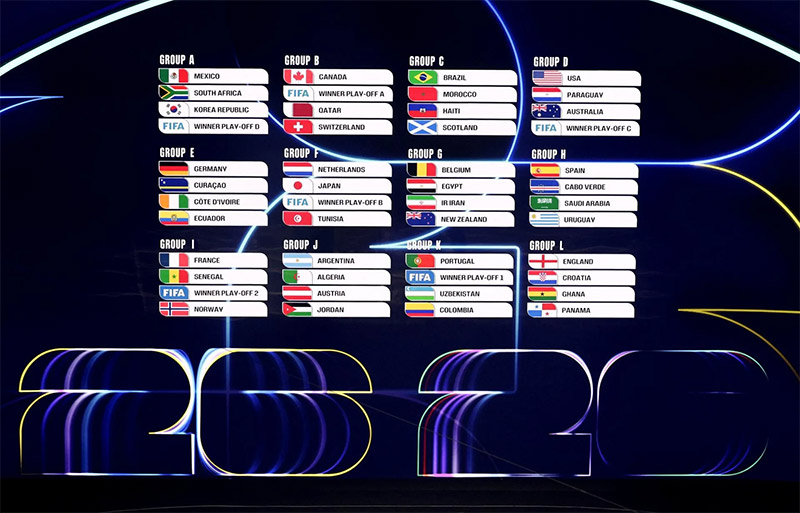
This new format increases the number of matches from 64 to 104, creating more opportunities for emerging football nations while giving fans significantly more games to enjoy.
The expanded format also introduces a Round of 32, adding another knockout round before the traditional Round of 16. This means every major football nation will need to survive an extra elimination match on the road to the trophy.
Tournament Timeline
The tournament begins on June 11, 2026, in Mexico City and concludes with the final on July 19, 2026, at MetLife Stadium in New Jersey. The competition spans 39 days, making it one of the longest World Cups in modern history.
Key stages include:
- Group Stage: June 11–27
- Round of 32: June 28–July 3
- Round of 16: July 4–7
- Quarterfinals: July 9–12
- Semifinals: July 14–15
- Third-Place Match: July 18
- Final: July 19
This structure gives teams more rest days than many previous tournaments, helping maintain player fitness throughout the competition.
Why FIFA Designed the Schedule This Way
One of the most interesting aspects of the World Cup 2026 Schedule is how carefully FIFA planned travel logistics.
With matches taking place across 16 host cities in three countries, travel could have become a major problem. FIFA therefore designed the schedule to minimize excessive movement for teams and supporters while maximizing recovery time between matches.
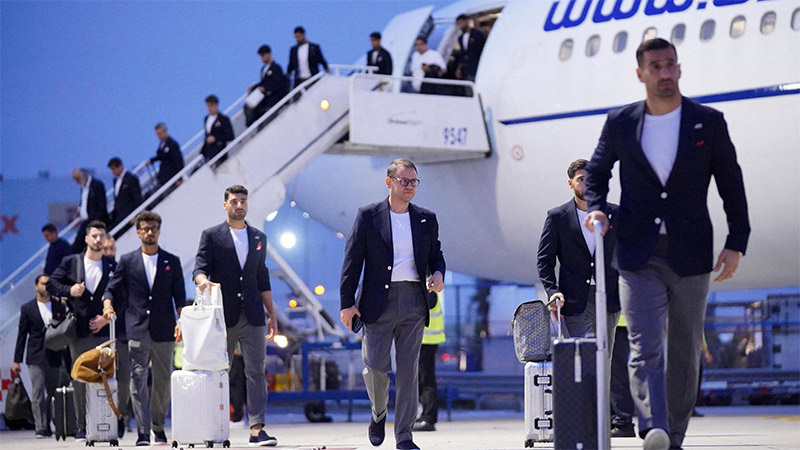
This is especially important because some host cities are separated by thousands of miles. A team playing in Los Angeles one week and New York the next could face significant fatigue if scheduling were not handled carefully.
FIFA’s scheduling model attempts to balance competitive fairness with commercial and broadcasting considerations.
The Host Cities Advantage
The World Cup 2026 Schedule spreads matches across 16 host cities.
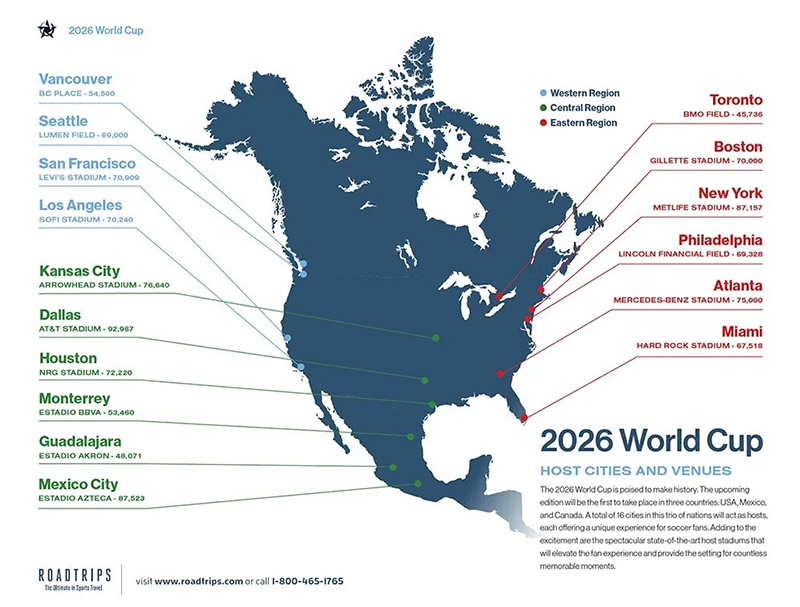
United States
The United States hosts the majority of matches, including the final. Cities include:
- New York/New Jersey
- Los Angeles
- Dallas
- Atlanta
- Miami
- Seattle
- Boston
- Houston
- Philadelphia
- Kansas City
- San Francisco Bay Area
Canada
Canada hosts matches in:
- Toronto
- Vancouver
Mexico
Mexico hosts matches in:
- Mexico City
- Guadalajara
- Monterrey
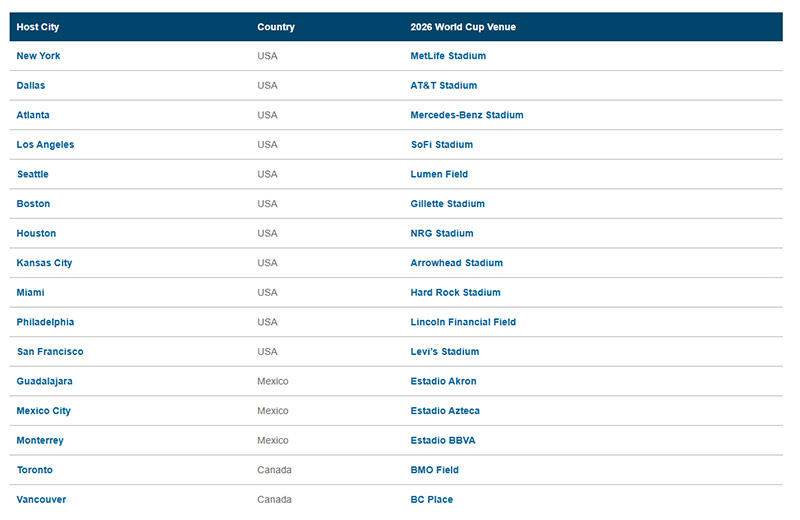
This geographical spread ensures millions of fans can experience World Cup football without traveling across the entire continent.
Key Matches Already Generating Excitement
The opening match will feature Mexico in Mexico City, creating a historic atmosphere as one of the tournament’s co-hosts kicks off the competition on home soil.
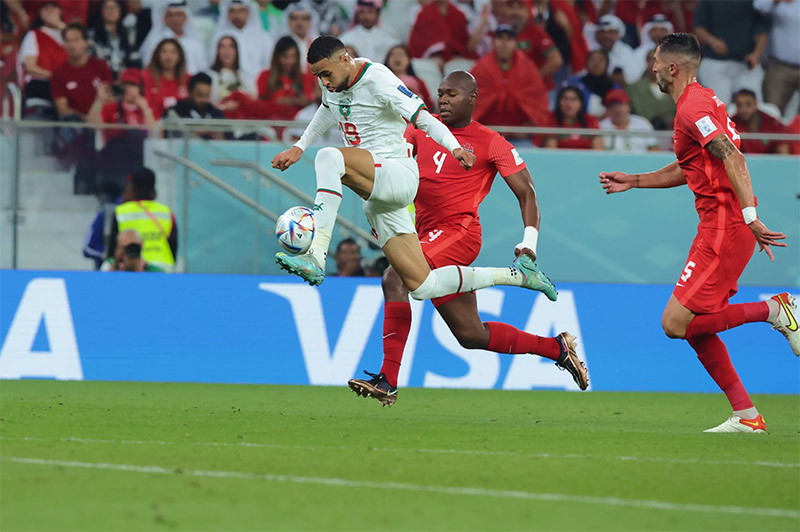
Other highly anticipated fixtures include:
- USA’s opening match in Los Angeles
- Canada’s first match in Toronto
- Group-stage clashes involving traditional powers such as Argentina, Brazil, England, France, Germany, and Spain.
Because of the expanded format, fans will also see more matchups between emerging football nations and global giants.
How the Schedule Affects Team Strategy
One overlooked aspect of the World Cup 2026 Schedule is how it changes tournament strategy.
Managers must now prepare for:
- More matches
- Longer tournament duration
- Greater squad rotation
- Increased travel management
The expanded knockout stage means teams could play eight matches instead of seven to win the championship.
Depth will be more important than ever. Nations with strong benches may have a significant advantage as fatigue accumulates throughout the tournament.
Television and Global Audience Impact
The schedule has also been optimized for worldwide audiences.

FIFA worked to place key matches in time slots that attract viewers across Europe, Asia, Africa, and the Americas. The organization specifically cited global audience accessibility as a factor in determining kickoff times.
Because the tournament spans multiple North American time zones, broadcasters have more flexibility than ever before. This could help the 2026 edition break previous viewing records.
Potential Challenges
While the schedule is ambitious, it is not without concerns.
Critics have pointed to:
- Long travel distances
- Potential weather variations between host cities
- Increased player workload
- The complexity of a 104-match tournament
However, FIFA believes the benefits outweigh the challenges, particularly given the larger field and broader global representation.
The success of the tournament may ultimately depend on whether the scheduling system can maintain competitive balance while delivering a seamless fan experience.
Final Thoughts
The World Cup 2026 Schedule is unlike anything football has seen before. With 48 teams, 104 matches, 16 host cities, and three host nations, FIFA has transformed the World Cup into a truly continental event.
For fans, the expanded format promises more drama, more underdog stories, and more opportunities to witness football history. For teams, it presents new tactical and logistical challenges that could redefine how World Cups are won.
Whether you’re following every match or simply waiting for the knockout rounds, one thing is certain: the World Cup 2026 Schedule marks the beginning of a new era for the world’s biggest sporting event. And if the tournament lives up to its promise, football fans may look back on 2026 as the year the World Cup became bigger than ever before.
Get ready for the tournament with exclusive FIFA World Cup 2026-inspired merchandise from Inkinaction! Explore unique t-shirts, hoodies, mugs, posters, flags, and more designed for passionate football fans. Support your favorite nation and celebrate the world’s biggest football event in style.