







Trending
The Evolution of the Star Wars Franchise: From Space Opera to Horror
Apr
Since its debut in 1977, the Star Wars franchise has become one of the most explosive and influential works in cinematic history. Created by George Lucas, the series began as a sweeping space opera about good and evil, rooted in mythological storytelling and stunning special effects. The series was widely panned as a failure, but instead was met with overwhelmingly positive reviews and opened up a new perspective on science fiction films of its time. Over the decades, the series has evolved, adapted, and explored new narrative terrain. Today, it seems ready to take on another genre: horror. This shift reflects not only the enduring popularity of the galaxy far, far away, but also the series’ commitment to reinventing itself for each new generation.
The Space Opera That Started It All
When the original Star Wars (later retitled A New Hope) hit theaters in 1977, it forever changed the landscape of science fiction and fantasy cinema. Drawing inspiration from classics like Flash Gordon, Japanese samurai cinema, and Westerns, Lucas created a universe that was both fresh and timeless. The first installments in the Star Wars series—the Original Trilogy—focused on the battle between the Rebellion and the Empire, set against a backdrop of interstellar adventure and mystical power.
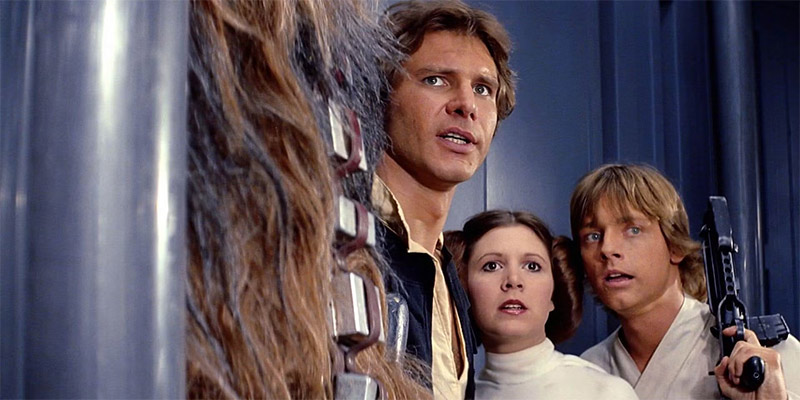
At their core, these films were space operas: dramatic, character-driven stories set in epic, futuristic settings. Featuring archetypal heroes like Luke Skywalker and villains like Darth Vader, they resonated with audiences around the world. Their massive success led to an expanded universe of books, comics, and eventually prequels and sequels, further cementing the series’ cultural dominance.
Diversifying the Galaxy: Genre Experiments in the Franchise
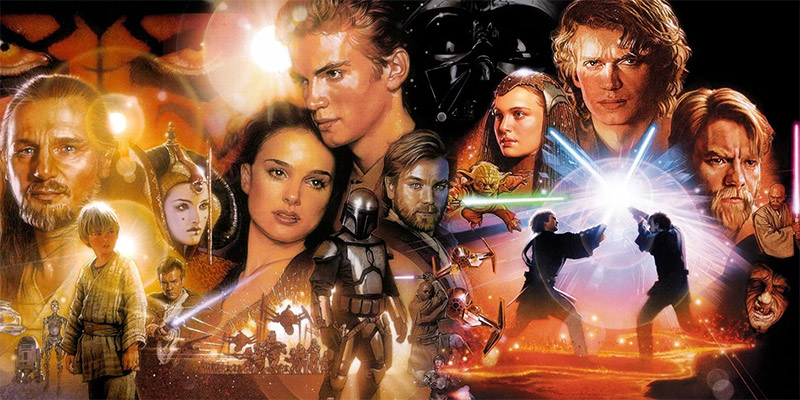
As the Star Wars franchise expanded beyond the Original Trilogy, it began to experiment with genre more boldly. The prequel trilogy, released between 1999 and 2005, introduced a more political and philosophical tone, examining the fall of the Jedi and the rise of Darth Vader. Though controversial, these films attempted to blend political intrigue with Force mythology.
Then, Disney’s acquisition of Lucasfilm in 2012 ushered in a new era. The sequel trilogy aimed to recapture the magic of the originals while introducing a new generation of characters. But perhaps more notably, Disney began to produce spin-offs and series that ventured into different stylistic territories. Rogue One was a gritty war film, while The Mandalorian combined Western elements with a solo adventure. Each of these installments demonstrates how the Star Wars franchise can be reimagined through a variety of storytelling perspectives.
The Rise of Star Wars Horror
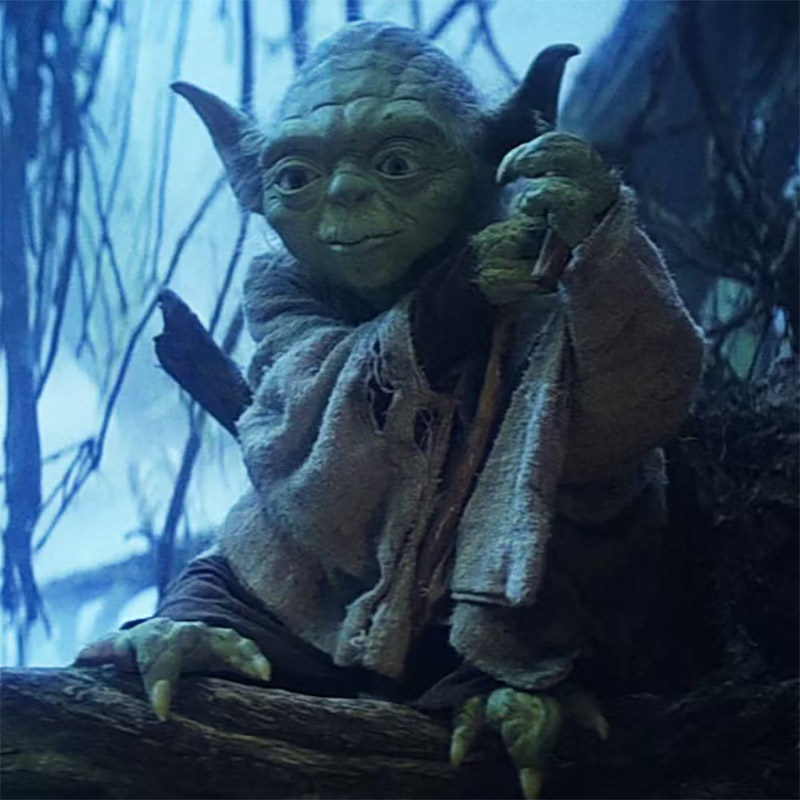
In recent years, there have been increasing rumors—and some confirmed reports—about a potential horror-themed Star Wars project. Though it might seem like an unexpected direction, horror has always lurked in the shadows of the Star Wars franchise. Consider the terrifying appearance of Darth Vader, the monstrous Rancor, or the eerie Dagobah cave scene in The Empire Strikes Back. These moments demonstrate that fear, dread, and psychological tension have long been part of the storytelling toolkit.
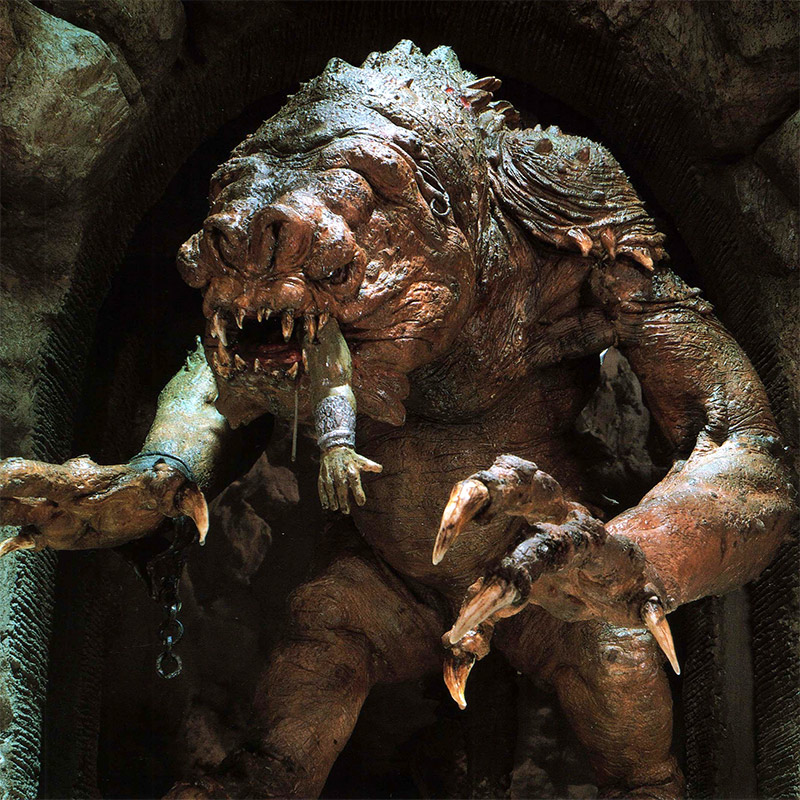
A full-on dive into horror would represent a bold evolution. Speculations point to stories set on haunted planets, encounters with Sith spirits, or even tales involving the Nightsisters of Dathomir—a mysterious, Force-wielding coven with dark powers. These elements could easily lend themselves to a darker, more unsettling tone. Embracing horror would not only expand the narrative boundaries of the Star Wars franchise, but also attract new audiences who crave thrills and scares alongside lightsaber battles.
The Influence of Horror on Star Wars Lore
Even without a dedicated horror film, the Star Wars series has been subtly influenced by the genre. Creatures like the Wampa, the Sarlacc, and the mind-controlled brain worms from The Clone Wars evoke the kind of visceral, body-horror imagery often found in traditional horror films. Additionally, certain characters—like Emperor Palpatine in his rotting form, or the demented General Grievous—have an almost Gothic aesthetic. These horror-inflected moments add depth and texture to the universe, demonstrating that fear can be as powerful a force as hope or rebellion. By delving more deliberately into horror, the Star Wars series has been able to explore themes of psychological torment, possession, and ancient evil in ways that have only been hinted at until now.
Why Now? Timing the Genre Shift
Fans and creators are increasingly demanding unique, genre-bending stories within beloved universes. Marvel Studios has experimented with supernatural and horror content in titles like Doctor Strange in the Multiverse of Madness and Werewolf by Night. Likewise, series like Stranger Things and The Last of Us have proven that horror can exist within complex, character-rich narratives.
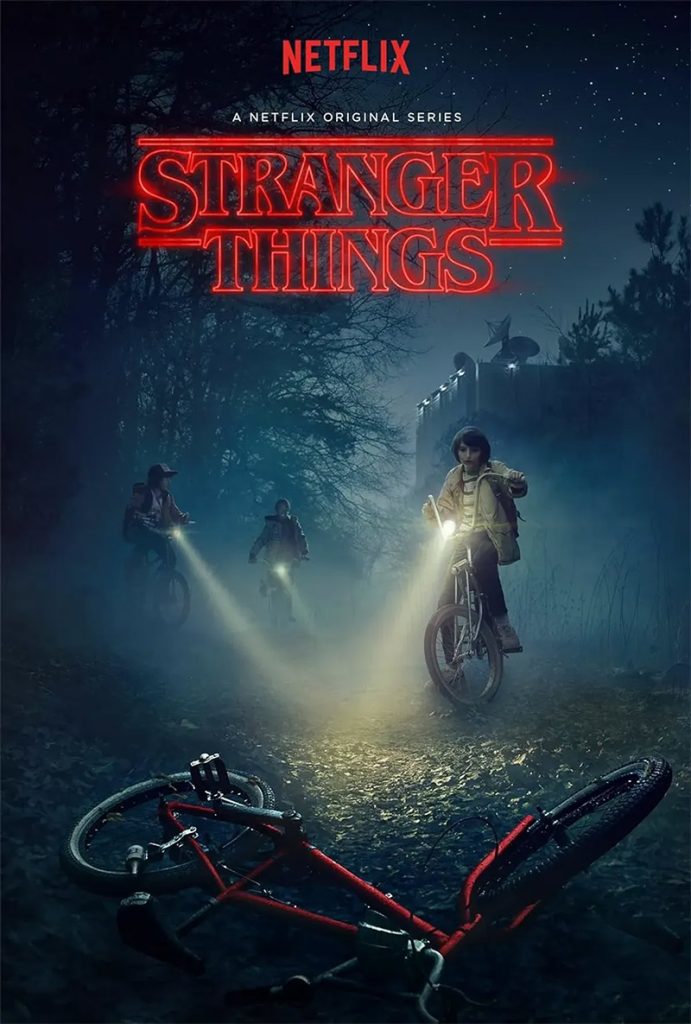
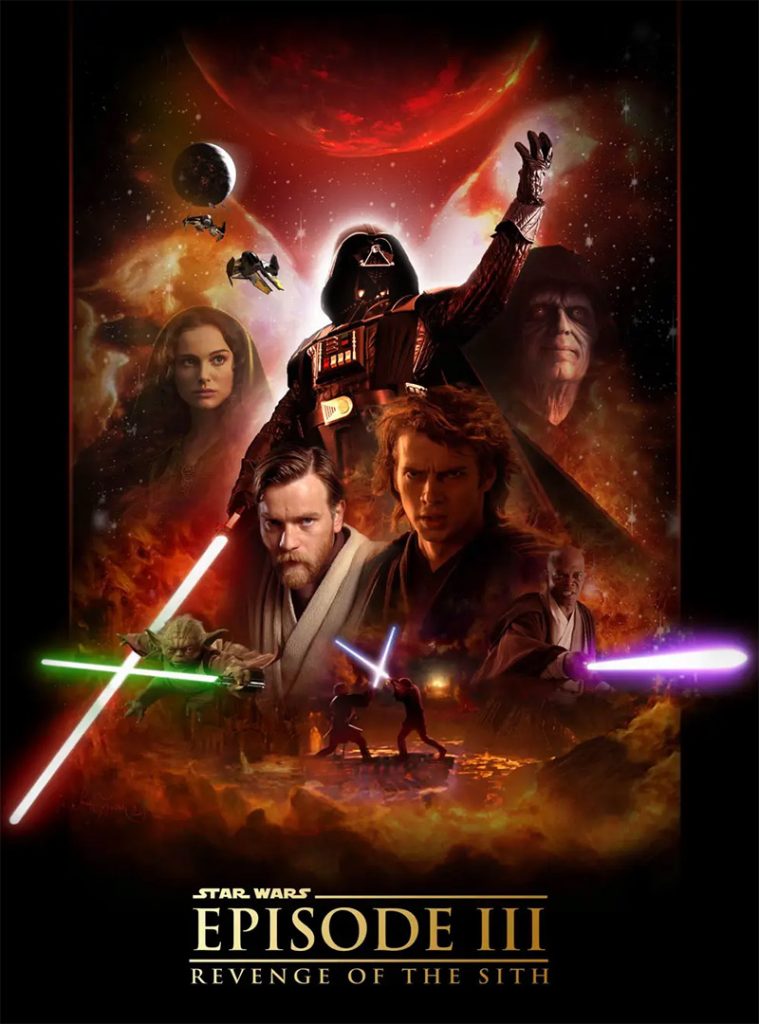
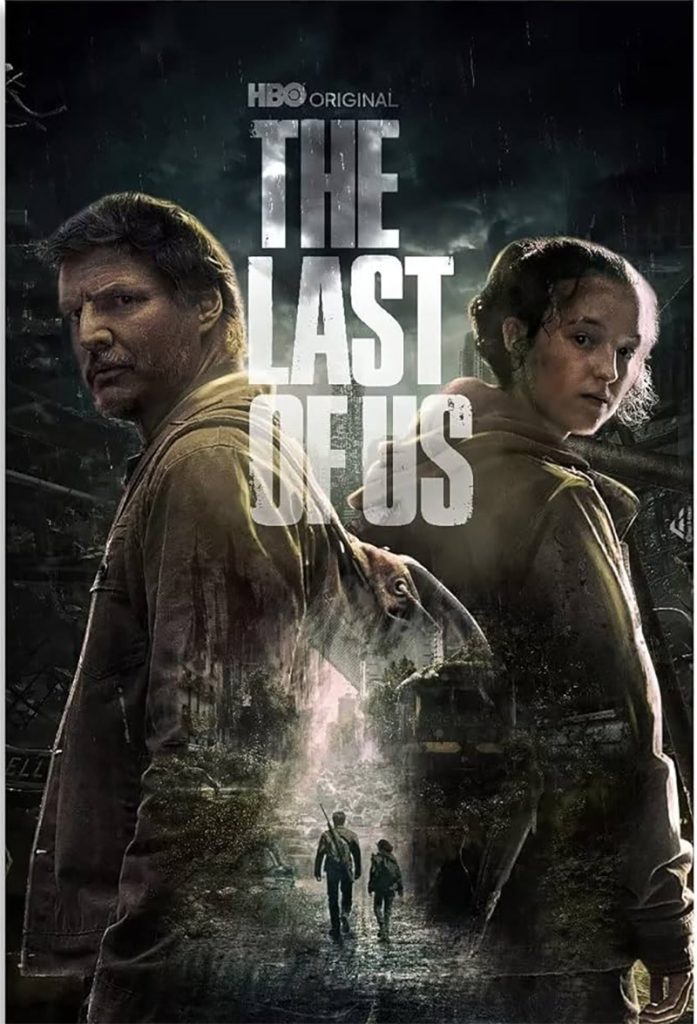
In that context, a horror-infused Star Wars series seems timely and exciting. Not only does it diversify the types of stories being told in the galaxy, it also demonstrates a willingness to push creative boundaries. With Lucasfilm reportedly developing new films and series outside of the Skywalker Saga, this is the perfect opportunity to experiment.
Looking Ahead: The Future of Star Wars Horror
Whether through film, television or animation, the potential for horror in the Star Wars franchise is vast. Imagine a found footage documentary about a doomed expedition to a Sith temple, or a survival horror film set on a hostile alien world. These stories could offer deeper insights into the unknown parts of the galaxy, exploring fear not only as a plot device but also as a thematic foundation.
Furthermore, horror could be used to reshape well-known elements of the franchise. Characters like the Inquisitors, the Sith or the ancient Rakata civilization could be reimagined through the lens of darkness and terror. The Force itself – often portrayed as a source of balance – could become a vehicle for both redemption and madness.
Conclusion
The evolution of the Star Wars franchise from a space opera to a potential player in the horror genre is a testament to its versatility and cultural longevity. By embracing new genres, the galaxy far, far away remains fresh, dynamic, and relevant. While the core of Star Wars will always be its themes of hope, redemption, and resistance, there’s room in that galaxy for fear—and perhaps, something even more chilling. If done right, a horror-infused Star Wars project could be one of the most daring and rewarding chapters in the franchise’s ongoing journey.