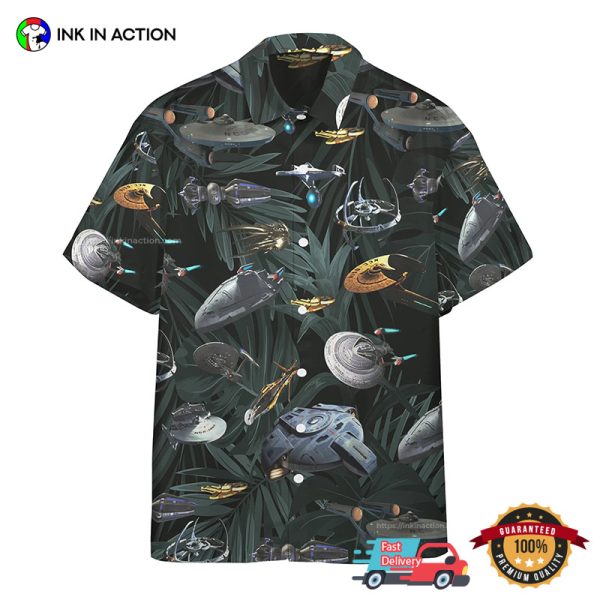
When Star Trekfirst aired in 1966, few could have predicted that a modest TV show about a starship and its diverse crew would grow into one of the most influential pop-culture phenomena in history. Over nearly six decades, the Star Trek franchise has evolved from a cult favorite into a vast and interconnected universe spanning television, film, animation, literature, and beyond.
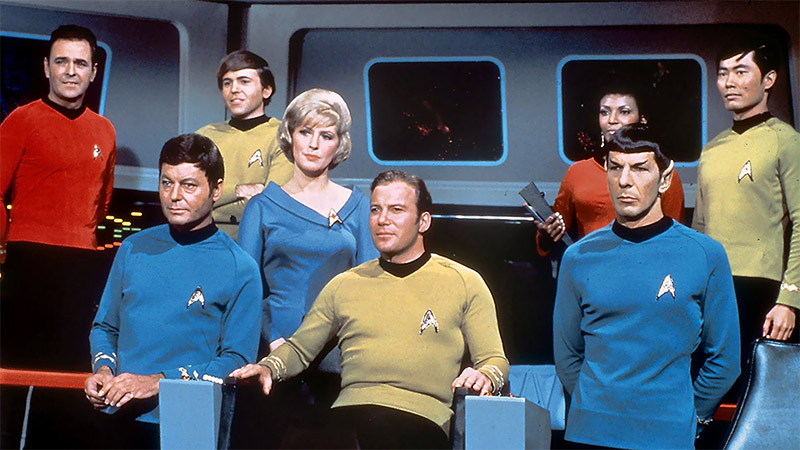
Star Trek The Original Series (1966–1969)
From Captain Kirk’s bold adventures aboard the USS Enterprise to the modern revival Strange New Worlds, the journey of Star Trek reflects not only the evolution of science fiction but also the changing values, hopes, and fears of our society.
The Beginning: Boldly Going Where No Show Had Gone Before (1966–1969)
It all began with Star Trek: The Original Series, created by Gene Roddenberry. Premiering in 1966, the show followed Captain James T. Kirk, Mr. Spock, and Dr. McCoy as they explored strange new worlds and sought out new life and civilizations.
At the time, most TV networks saw the series as a risky experiment. Its cast was notably diverse for the 1960s, featuring an African American communications officer (Uhura), a Japanese helmsman (Sulu), and a Russian navigator (Chekov) — all serving side by side during the height of the Cold War and the Civil Rights Movement.
While The Original Series lasted only three seasons, its vision of an optimistic future where humanity overcomes prejudice and unites for exploration struck a chord. The show found new life in reruns, cultivating a passionate fanbase known as “Trekkies.” This fandom would keep the Star Trek franchise alive even after cancellation.
The Animated Era and the Birth of the Movies (1970s–1980s)
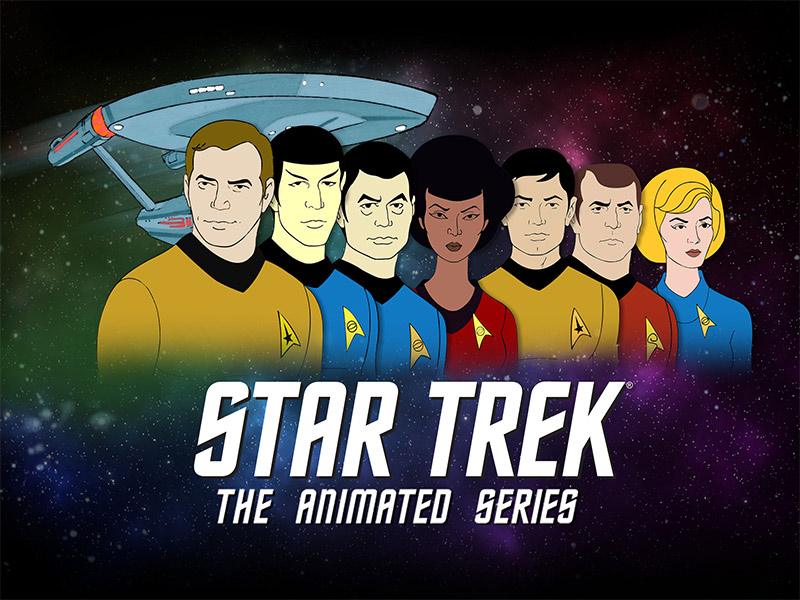
After The Original Series ended, Star Trek: The Animated Series debuted in 1973. It reunited the original cast for voice acting and introduced new alien worlds and creatures that live-action effects couldn’t yet handle. Though short-lived, it proved fans still craved more Star Trek.
Star Trek The Animated Series (1973)
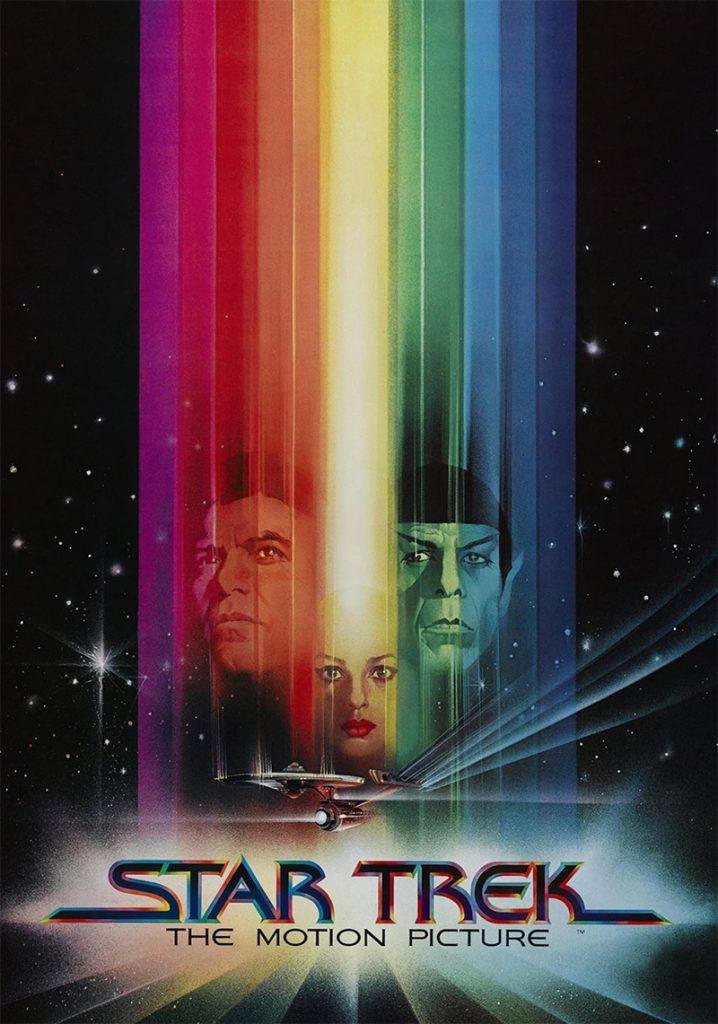
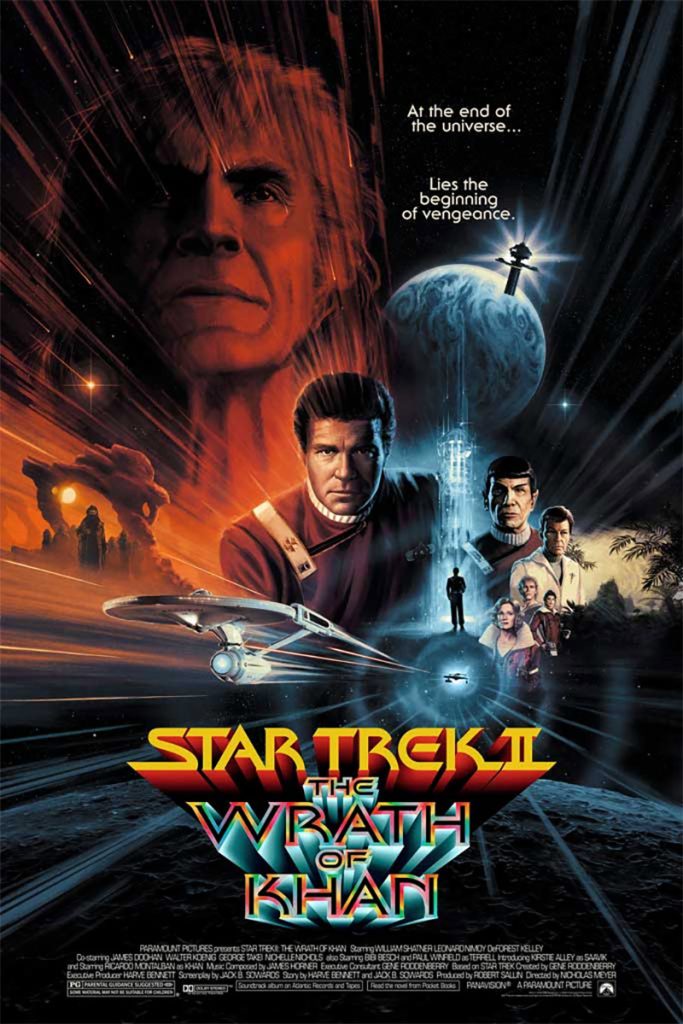
In 1979, the crew of the Enterprise returned to the big screen with Star Trek: The Motion Picture. While visually ambitious, it received mixed reviews. However, Star Trek II: The Wrath of Khan (1982) truly revitalized the Star Trek franchise. It combined emotional storytelling, memorable villainy, and philosophical depth — elements that became trademarks of Star Trek films.
Star Trek The Motion Picture (1979)Star Trek II The Wrath of Khan (1982)
Throughout the 1980s, movies like The Search for Spock and The Voyage Home built a bridge between generations of fans, while conventions and fan clubs expanded the franchise’s cultural reach.
The Next Generation and the Golden Age of Star Trek (1987–2005)
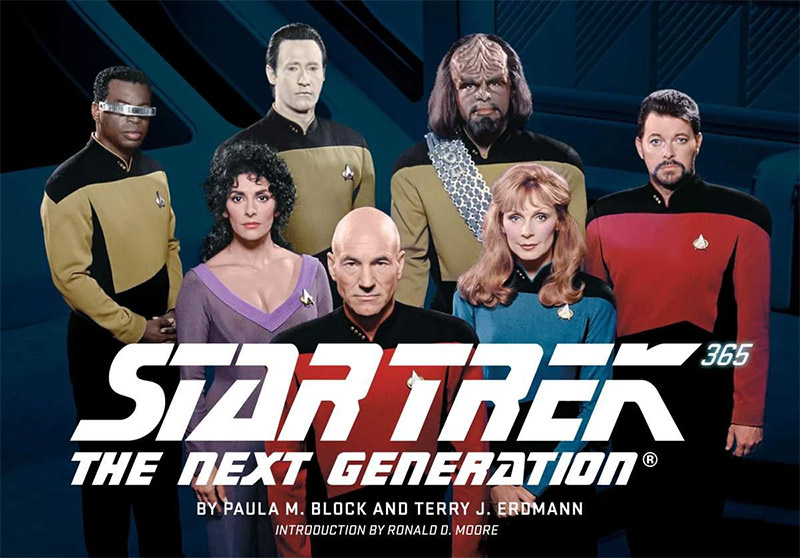
In 1987, Star Trek: The Next Generation (TNG) took the franchise to new heights. Set about a century after Kirk’s adventures, it introduced Captain Jean-Luc Picard, a diplomat and philosopher who led with intellect rather than bravado.
Star Trek The Next Generation (1987)
TNG wasn’t just a hit — it redefined the Star Trek franchise for modern audiences. It tackled complex issues like artificial intelligence (through the android Data), morality, and interstellar diplomacy. The show also benefited from improved special effects and storytelling sophistication, running for seven seasons and earning critical acclaim.
Its success paved the way for more spin-offs:
Deep Space Nine (1993–1999) explored moral ambiguity and wartime politics in a darker, serialized format.
Voyager (1995–2001) followed a stranded starship seeking a way home, emphasizing resilience and unity.
Enterprise (2001–2005) served as a prequel, charting humanity’s first steps into interstellar exploration.
This 20-year era is often considered the “Golden Age” of Star Trek, when new episodes aired nearly year-round and the series became synonymous with intelligent, humanistic science fiction.
The Reboot Era: Star Trek for a New Generation (2009–2016)
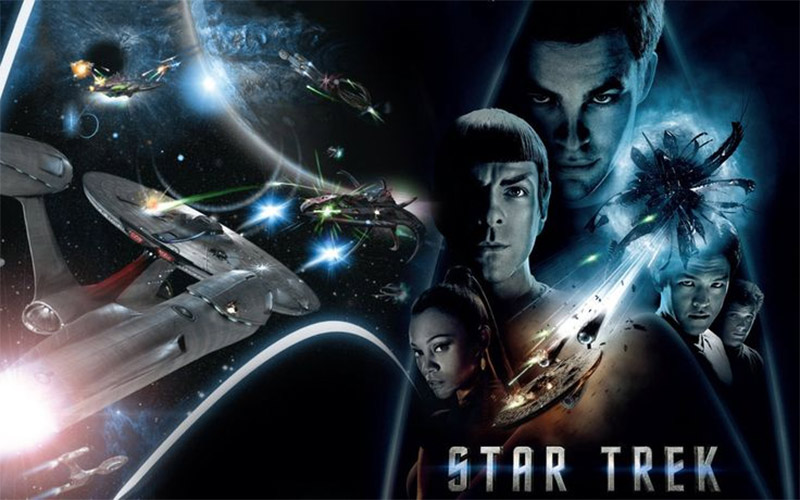
After Enterprise ended, the franchise entered a period of rest — until director J.J. Abrams reignited it with Star Trek (2009). The film rebooted the story with a new cast portraying younger versions of the original characters but set in an alternate timeline known as the “Kelvin Universe.”
Star Trek (2009)
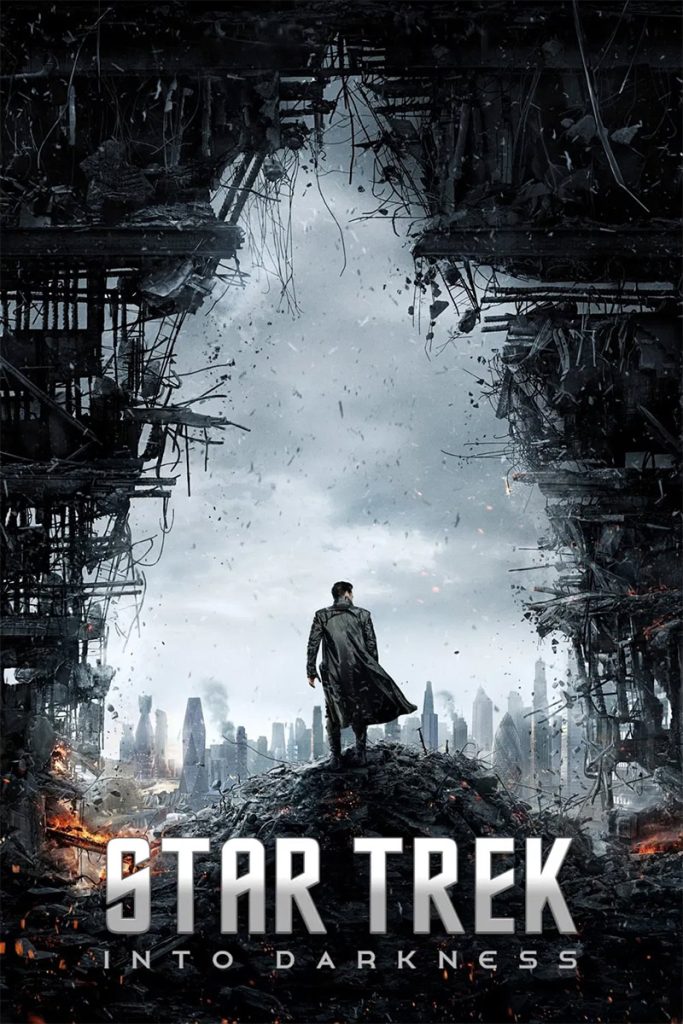
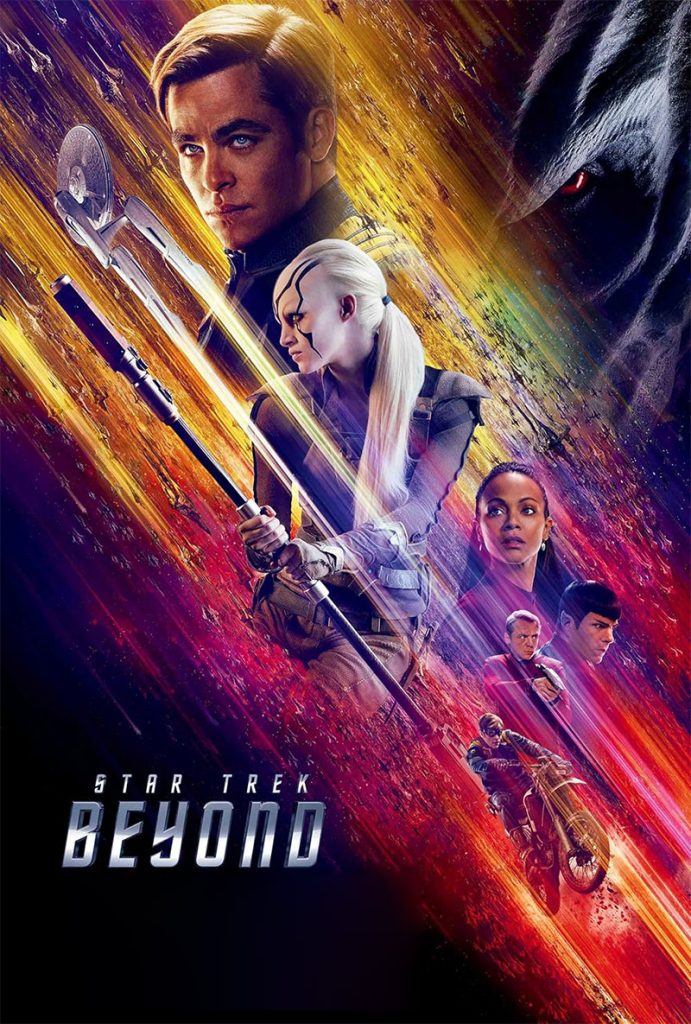
This move allowed fresh storytelling while respecting the legacy of what came before. The film’s mix of nostalgia, high-energy action, and emotional stakes attracted both longtime fans and newcomers. Its success spawned two sequels — Star Trek Into Darkness (2013) and Star Trek Beyond (2016).
Star Trek Into Darkness (2013)Star Trek Beyond (2016)
While some purists felt these films leaned too heavily on action at the expense of the philosophical tone that defined earlier series, they undeniably reintroduced the Star Trek franchise to mainstream audiences and global box offices.
The Streaming Renaissance: Discovery, Picard, and Strange New Worlds (2017–Present)
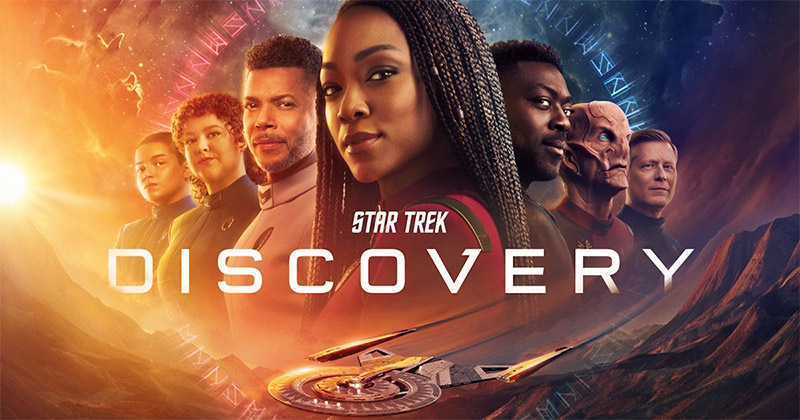
The streaming era has given Star Trek new life once again. In 2017, Star Trek: Discovery premiered, serving as both a prequel and reimagining of the classic universe. It featured cinematic visuals, serialized storytelling, and a focus on diverse, character-driven drama.
Star Trek Discovery (2017)
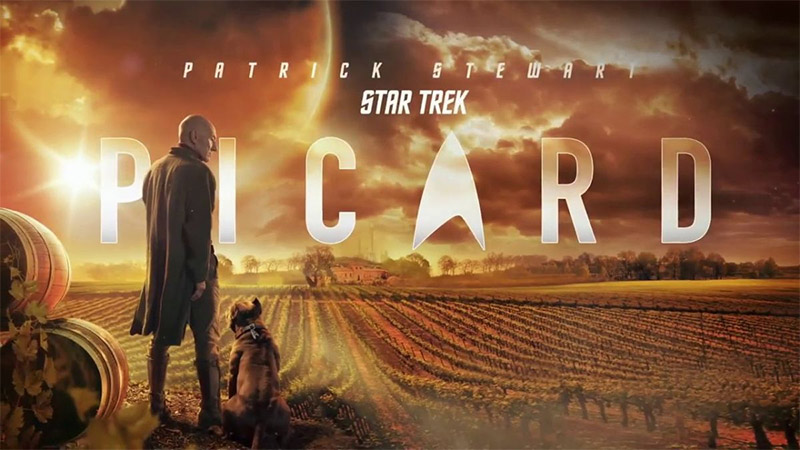
Then came Star Trek: Picard (2020), which reunited Patrick Stewart with his iconic role — exploring aging, trauma, and redemption in a world struggling to live up to Starfleet’s ideals.
Star Trek Picard (2020)
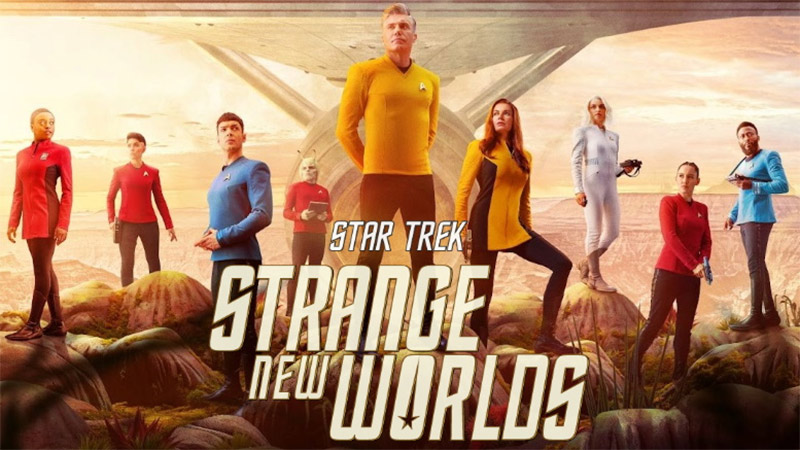
But perhaps the most universally praised modern entry is Star Trek: Strange New Worlds (2022–present). Returning to an episodic format reminiscent of The Original Series, it follows Captain Christopher Pike and the early Enterprise crew as they explore the galaxy. The show’s charm lies in its balance — classic optimism mixed with modern emotional depth and spectacular visuals.
Star Trek Strange New Worlds (2022–present)
Through these series, the Star Trek franchise has proven that it can evolve with technology and audience expectations while staying true to its core values: curiosity, compassion, and courage.
The Enduring Message of Star Trek
At its heart, Star Trek has always been about more than warp drives and alien species. It’s a mirror held up to humanity — reflecting who we are, who we could be, and what we must overcome to get there.
The Star Trek franchise endures because it offers hope. In a world often divided by politics, inequality, and fear, Star Trek imagines a future where humans unite not for conquest, but for discovery; not for domination, but for understanding.
That message — first broadcast from a humble TV set in 1966 — still resonates in 2025, inspiring scientists, artists, and dreamers to “boldly go where no one has gone before.”
Conclusion: The Final Frontier Continues
From Kirk’s 1960s voyages to the latest adventures of Captain Pike, the Star Trek franchise has charted one of the most remarkable journeys in entertainment history. It has reinvented itself for each new generation without losing its identity — a rare achievement in pop culture.What began as a single TV show has become a living, evolving philosophy about exploration, diversity, and human potential. As Strange New Worlds continues to expand the universe, one thing remains certain: Star Trek will always stand as a testament to the best of what we can imagine — and the best of who we can be.
Don’t forget: visit our store to explore a galaxy of unique Star Trek merchandise and bring the Star Trek spirit home today!