







Uncategorized
Manhattan Massacre: Shattered Calm At 345 Park Avenue
Jul
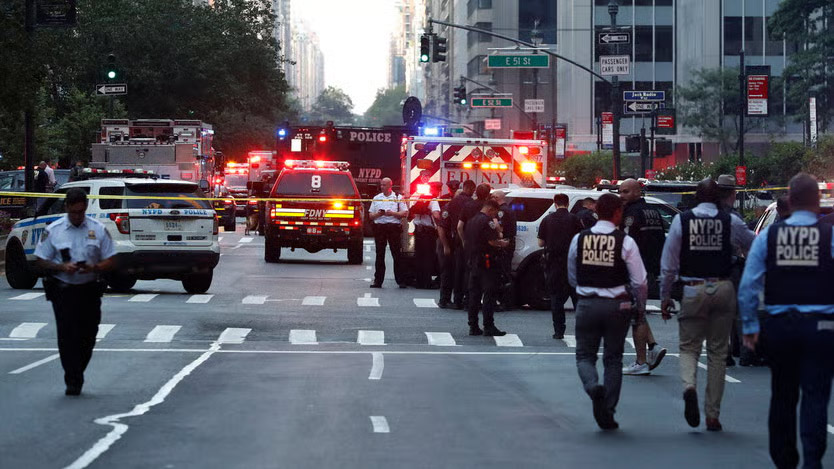
When you search for Manhattan Massacre, the phrase now evokes one of the deadliest office shootings in New York City in a generation. On the evening of July 28, 2025, the skyline of Midtown Manhattan was forever altered by violence erupting at 345 Park Avenue – a mass shooting that killed four people and injured several others in a building housing major offices like the NFL and Blackstone. Over the following days, authorities raced to piece together motive, method, and meaning behind the Manhattan shooting.
What Happened: The Scene of the Manhattan Massacre
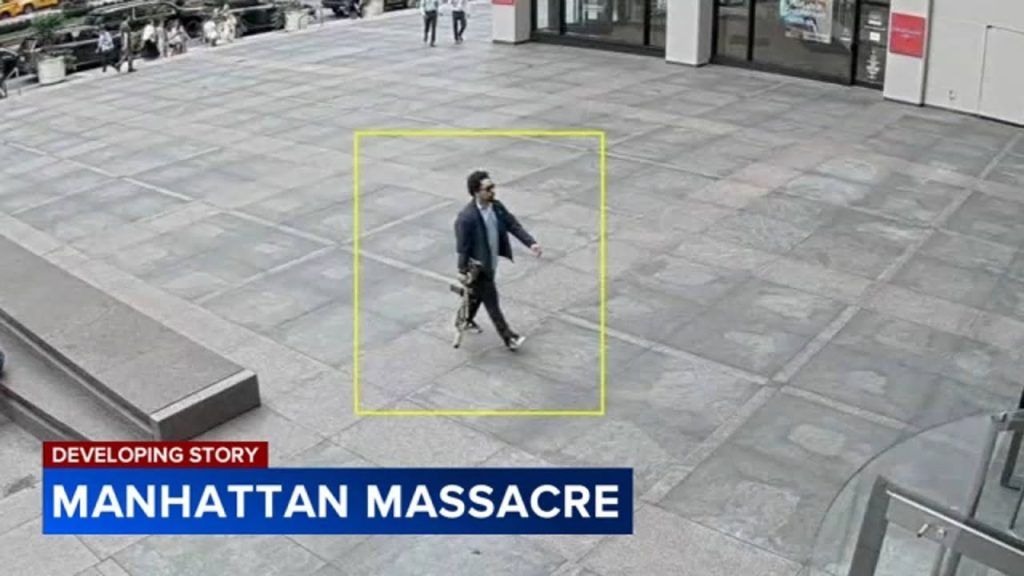
Around 6:30 p.m., 27-year-old Shane Devon Tamura drove from Las Vegas to Manhattan. He walked into the lobby of the 44-story building at 345 Park Avenue, put on a bulletproof vest, and grabbed an AR-15 style rifle. He opened fire indiscriminately throughout the lobby, elevator bays, and multiple floors. An off‑duty NYPD officer, a Blackstone executive, a security guard, and a Rudin Management employee were killed before Tamura died by suicide. Rescue teams worked to get tenants out amidst the chaos as the shocking incident quickly became known as the “Manhattan Massacre” by those who witnessed it and the media.
The Victims: Heroes And Executives In The Manhattan Shooting
Among the four deceased were:
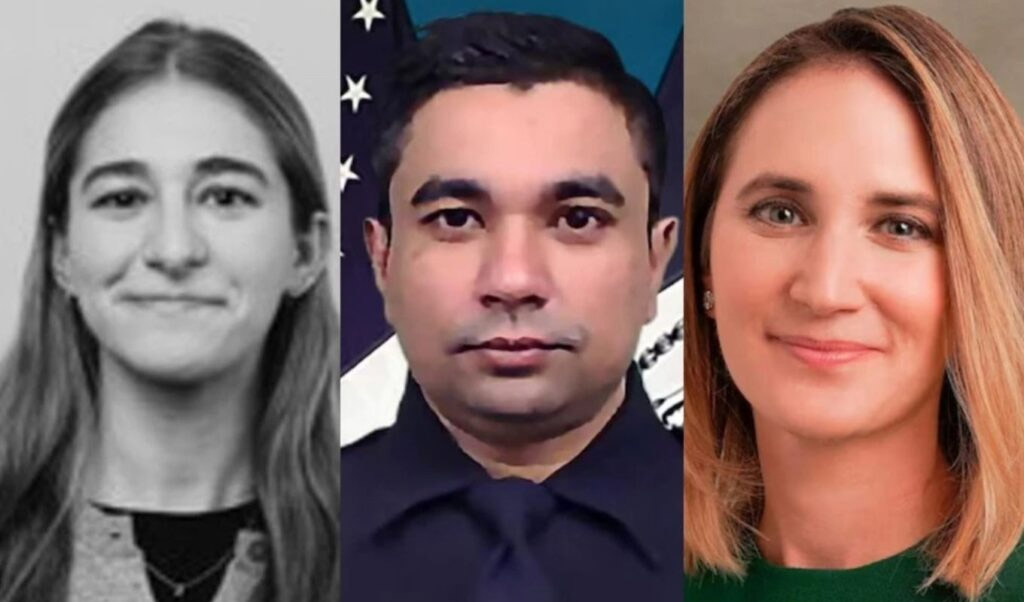
- Officer Didarul Islam, a 36‑year‑old off‑duty NYPD officer and father expecting his third child. He was hailed as a hero by officials for intercepting the attacker.
- Aland Etienne, a 46‑year‑old security guard working in the lobby, described as a “New York hero” by his union.
- Wesley LePatner, a senior managing director at Blackstone and CEO of BREIT, known for her leadership and mentorship.
- Julia Hyman, a property associate with Rudin Management, an innocent professional caught in the rampage.
Several others were injured, including an NFL employee who survived.
Shane Devon Tamura And The Trigger
Shane Devon Tamura played on the junior varsity football team at Golden Valley High School in Santa Clarita before transferring to Granada Hills Charter. He had a known history of mental health struggles.
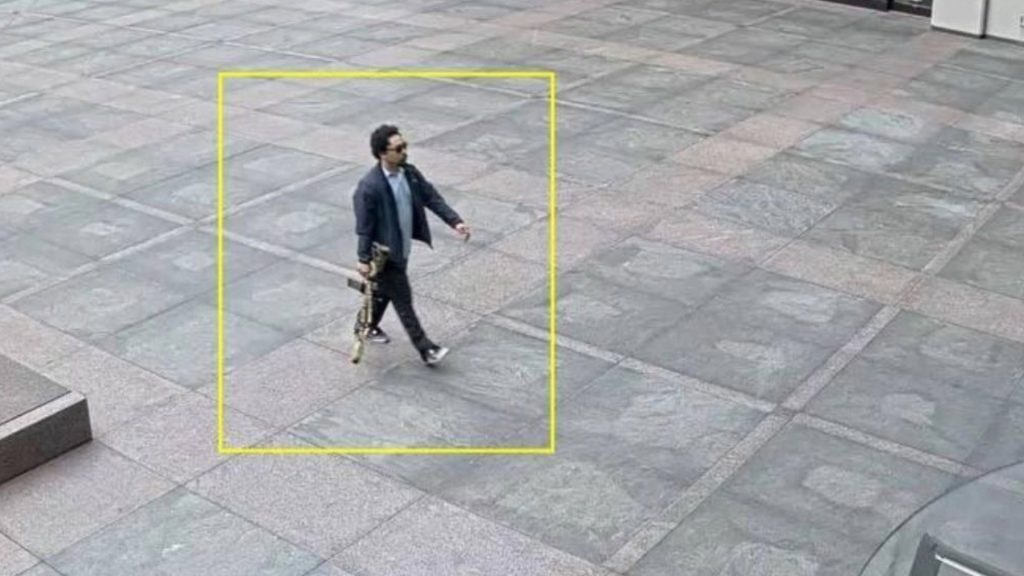
He left a suicide note accusing the NFL of causing chronic traumatic encephalopathy (CTE) and requesting his brain be studied postmortem – a grievance apparently tied to fictional or personal interpretations of football-related trauma. He apparently wanted to go after the NFL offices but accidentally took the wrong elevator and ended up at Rudin Management’s floors instead. Authorities traced his cross-country journey from Las Vegas, confirming he assembled the rifle using parts sourced through an associate.
The Investigation: Unraveling The Manhattan Shooting
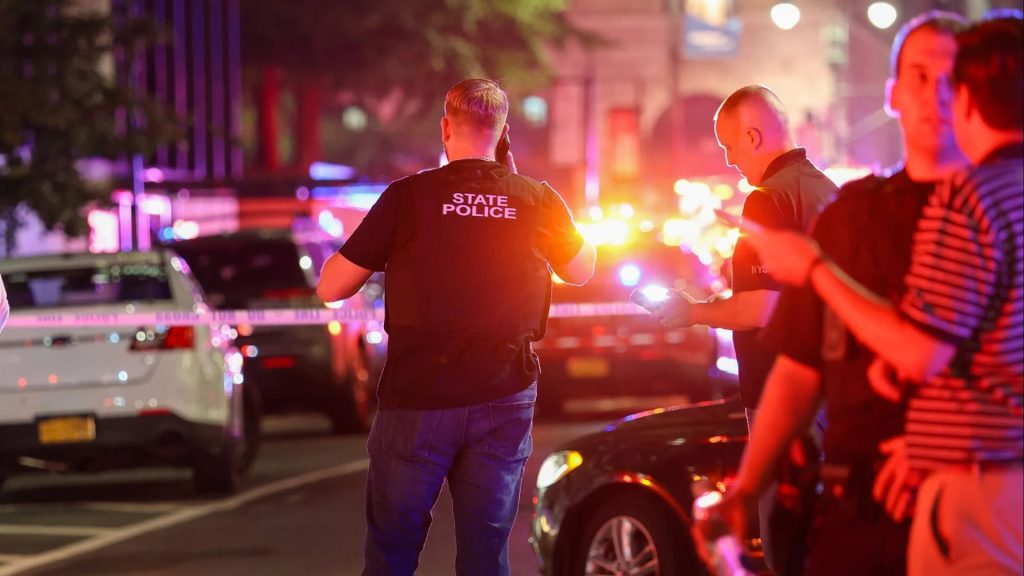
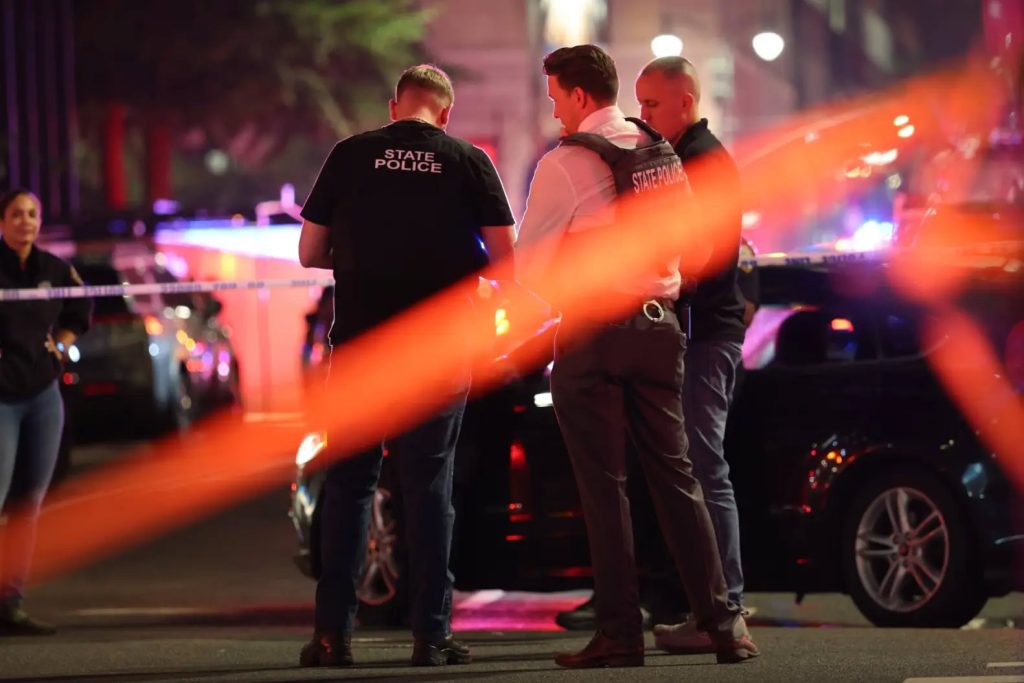
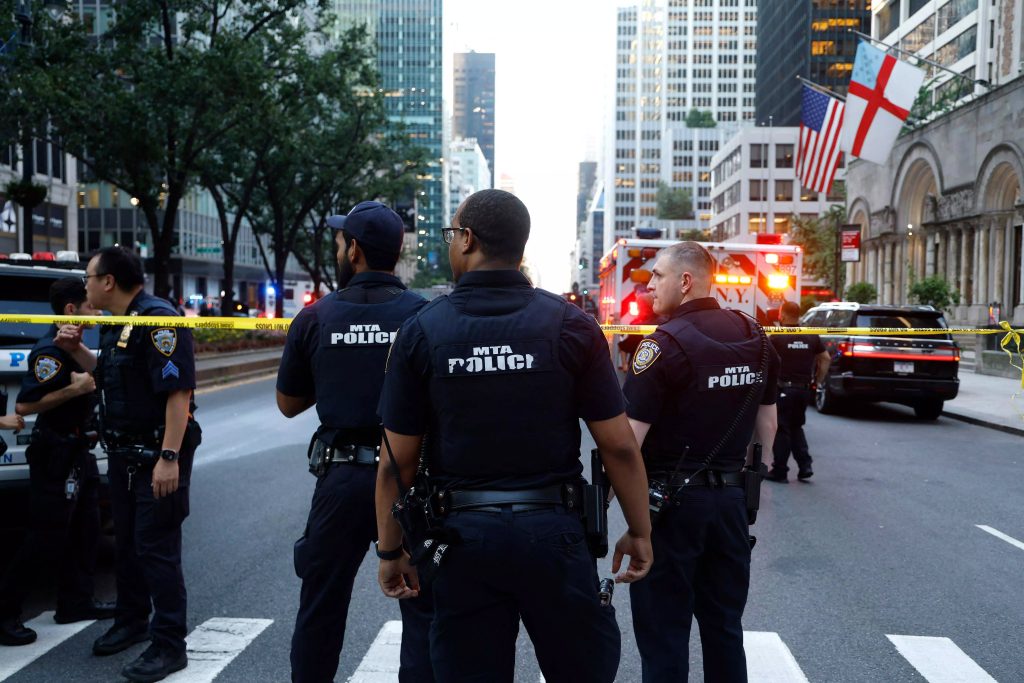
Law enforcement responded rapidly, but serious security failures were exposed. Lobby cameras and building sensors failed to prevent the gunman from advancing past the front desk after killing the guard. Investigators are examining whether better access controls or employee training could have prevented the tragedy. The suicide note indicating CTE as a motive has sparked intense debate over mental health awareness, football safety, and corporate accountability.
Reactions: Mourning, Policy, And The Manhattan Massacre Fallout
City and state officials responded with solemn tributes. New York Governor Hochul and Mayor Adams praised Officer Islam as a selfless protector, while union leaders and community advocates referred to LePatner as a visionary leader; congregations honored Etienne’s sacrifice; others mourned Hyman’s promising career. The incident has sparked renewed calls for violence-prevention laws similar to California’s 2023 regulations, which include mandatory workplace training and enhanced security protocols. New York lawmakers are now pressed to act similarly.
Context: Why the Manhattan Massacre Was So Shocking
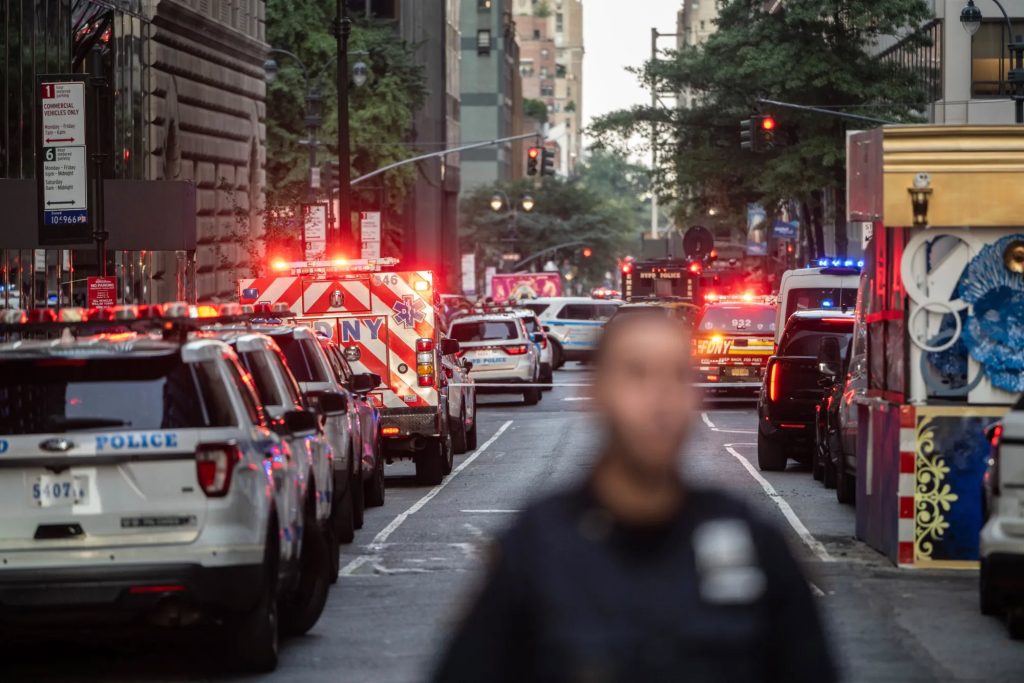
In a city that recently enjoyed historically low rates of shootings, this event marks the deadliest such incident in New York in 25 years. It came as a stark reminder that institutional prestige and location offer little protection when minds unravel and protocols crumble.
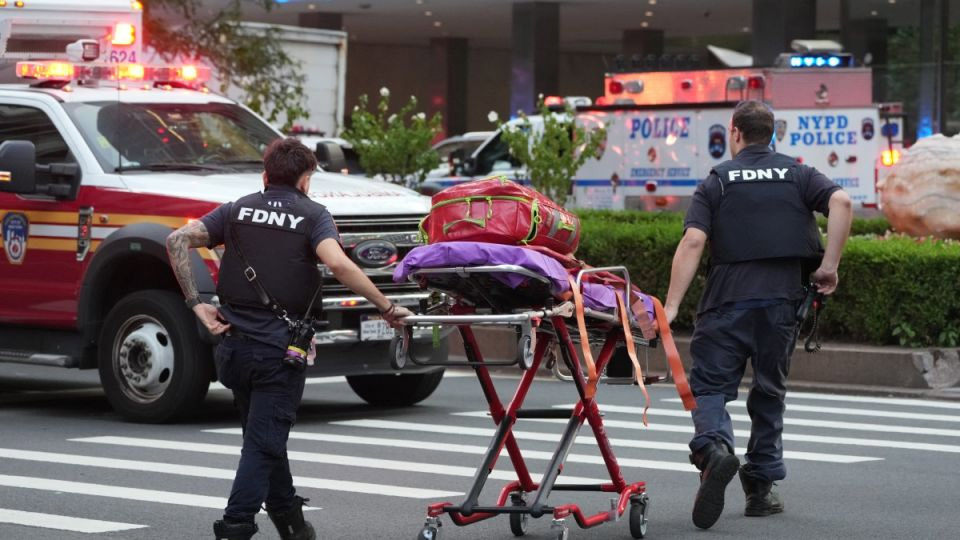
Midtown Manhattan—known for its corporate towers and heavy foot traffic—has typically been viewed as a stronghold of surveillance and security. However, the brutality and unpredictability of the Manhattan Massacre shattered that perception overnight.
Voices From Survivors: Scenes From The Day Of The Manhattan Massacre
Witnesses described scenes of horror: shots echoing through hallways, people fleeing offices, calls for “lock the doors,” and shouts of “he’s on 33!” One NFL employee, Craig Clementi, reportedly shouted warnings to co-workers even after being shot, saving lives in the chaos. Victims and survivors described the scene as feeling like a “war zone.”
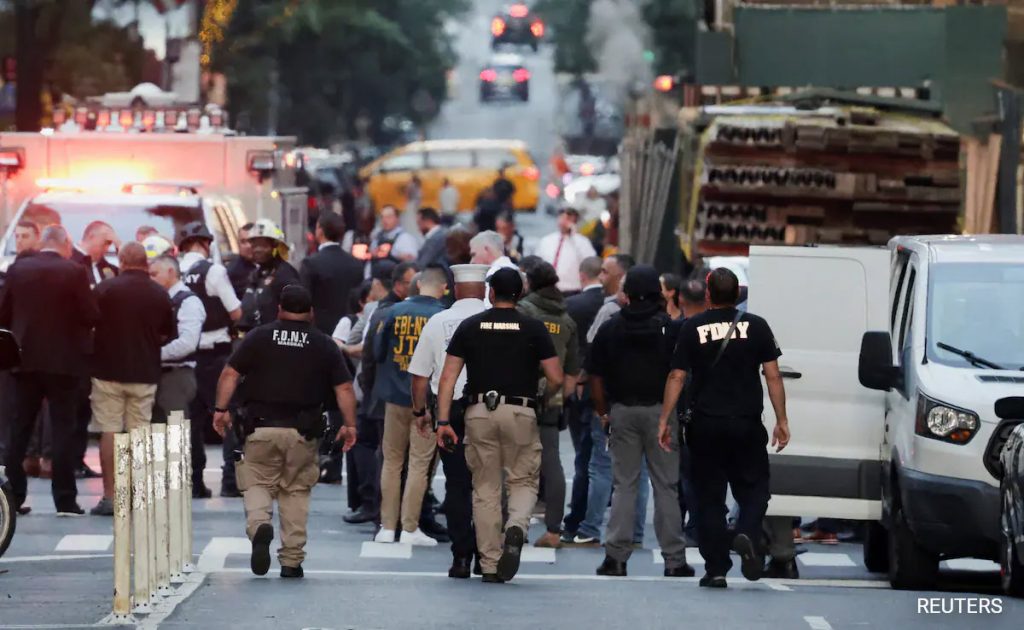
First responders evacuated more than 200 staff as the building went into lockdown. The attack exposed vulnerabilities in corporate design and crisis response.
Broader Impact: What The Manhattan Massacre Means For Society
The shooting has triggered national conversations:
- Mental health and CTE debates: How do we address psychological trauma linked to contact sports—and at what social cost?
- Corporate safety protocols: The need for workplace violence prevention legislation across states is gaining traction.
- Gun policy: Questions emerge about cross-state transport of components and how fabricated AR‑15 parts slipped regulatory cracks.
For Blackstone, the NFL, and New York City, the massacre is a turning point—prompting reviews of building security, access control, and response readiness.
Honoring The Fallen: Memorials And Legacy Of The Manhattan Shooting
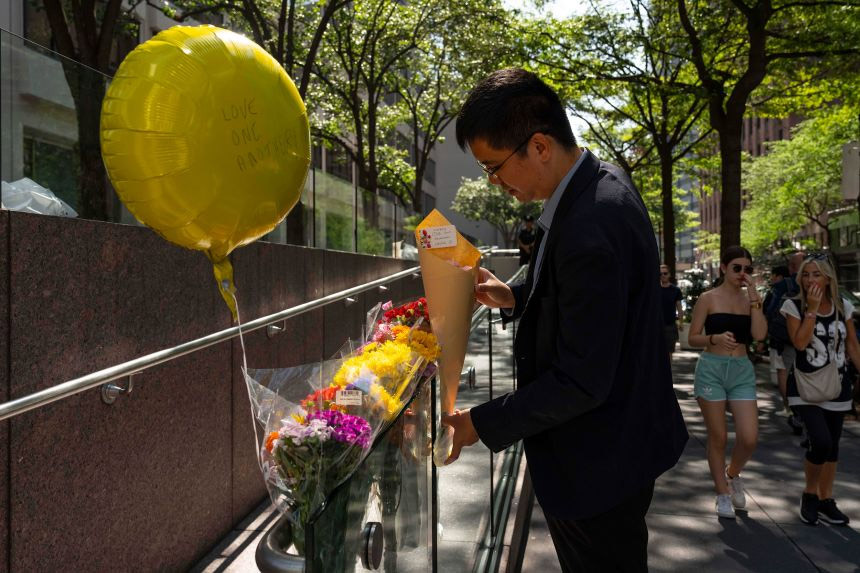
Vigils have been held across Manhattan and in the Bronx. At Blackstone’s offices, co-workers shared notes about LePatner’s leadership and warmth. Community leaders in Islam’s immigrant Bangladeshi community praised his mentoring and service. A moment of silence was held before multiple sporting events, and flags flew at half-staff at municipal buildings. Funds and scholarships are being established in the names of the victims.
The Lasting Legacy Of The Manhattan Massacre
Though the shooter is dead, the consequences remain. The victims’ sacrifice and how New York responds could shape policy and prepare workplaces across the nation. Their stories demand attention: a police officer, grieving father, risked everything; a lobby guard died defending a safe space; a CEO known for mentorship was taken too soon; an employee starting a career was tragically lost.
The term “Manhattan Massacre” will be etched in headlines, court documents, and safety manuals. It stands as a poignant reminder of how quickly stability can be disrupted—and highlights the urgent need to rebuild stronger systems in solidarity with those we have lost.
Final Thoughts
The Manhattan Massacre was not just another city shooting—it was a massacre in a tower once deemed invulnerable. Its victims were pillars of their professions and communities. Its perpetrator was a troubled man whose grievances became violent extremism. The aftermath is a shared wake-up call: we owe it to those who died to improve mental health care, enforce stricter workplace protections, and remember human lives behind headlines.