







Holidays
Krampus Christmas: The Dark Folklore Behind the Holiday

Oct
When you think of Christmas, images of Santa Claus, gifts, and cheerful carols come to mind. But in certain parts of Europe, there’s another holiday figure that casts a much darker shadow over the festivities — Krampus. Known as the terrifying counterpart to Saint Nicholas, Krampus emerges each December to punish the naughty and scare children into better behavior.
This eerie tradition, often called Krampus Christmas, mixes fear and festivity in a uniquely thrilling way — blending ancient folklore, moral lessons, and modern celebrations that are now spreading across the world.
Who is Krampus? The Origin of the Christmas Devil
The story of Krampus comes from Central European folklore, particularly in regions like Austria, Germany, Hungary, and Slovenia. The name Krampus is derived from the German word krampen, meaning claw.

According to legend, Krampus is a half-goat, half-demon creature with horns, a long tongue, and chains that clatter as he moves through snowy villages. While Saint Nicholas rewards good children with treats and gifts, Krampus is said to punish the naughty ones — chasing them through the streets or, in darker tales, carrying them off in his sack.
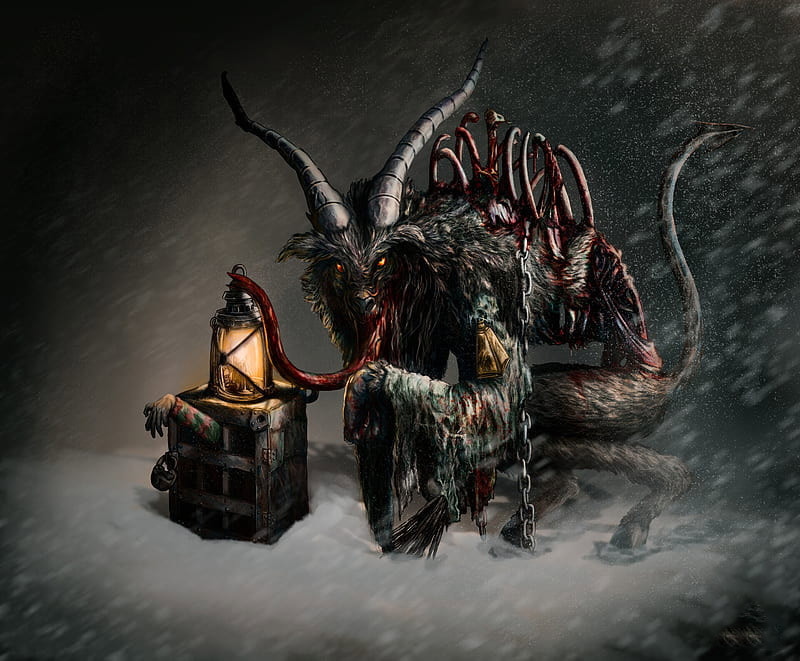
Though his appearance may be terrifying, Krampus isn’t purely evil. His role in Krampus Christmas serves as a reminder that actions have consequences — a symbolic balance to Saint Nicholas’ generosity and forgiveness.
The Celebration of Krampus Christmas
Every year, on the night of December 5th, the eve of Saint Nicholas Day, towns across the Alpine region come alive with the chilling excitement of Krampusnacht (Krampus Night).
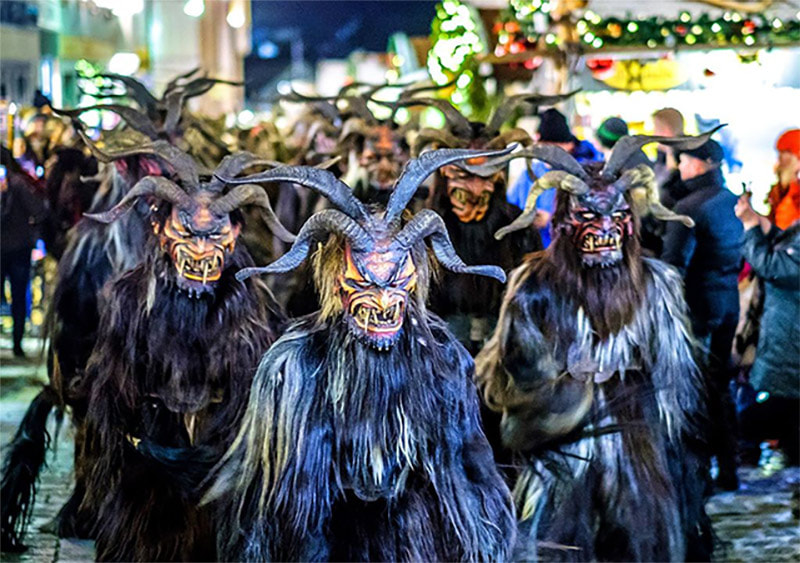
During this event, men dressed as Krampus — complete with fur costumes, masks, and cowbells — roam the streets, scaring onlookers, playfully chasing children, and celebrating this centuries-old tradition.
These parades, known as Krampuslauf or “Krampus Runs,” blend the horror of Halloween with the festivity of Christmas. The result? A wild, unforgettable holiday experience that locals and tourists alike eagerly anticipate every year.
Today, Krampus Christmas celebrations have grown beyond Europe. In places like the United States, Canada, and Australia, themed events, festivals, and even horror-comedy movies inspired by the legend have brought Krampus into pop culture — giving Christmas a delightfully spooky twist.
The Symbolism Behind Krampus Christmas
At its heart, Krampus Christmas isn’t just about fear — it’s about balance.
In many ancient traditions, darkness and light coexist. Just as winter gives way to spring, Krampus represents the darker side of human nature, while Saint Nicholas symbolizes kindness and redemption.
The two figures serve as a moral compass for the holiday season. Together, they remind us that generosity, goodness, and self-reflection are just as important as joy and celebration.
It’s no coincidence that Krampus appears in early December, when nights are long and cold — a time when ancient people gathered to face their fears and welcome the return of light.
Modern Takes on Krampus Christmas
In recent years, Krampus Christmas has become a global phenomenon. What was once an obscure European custom is now embraced by pop culture, film, and even fashion.
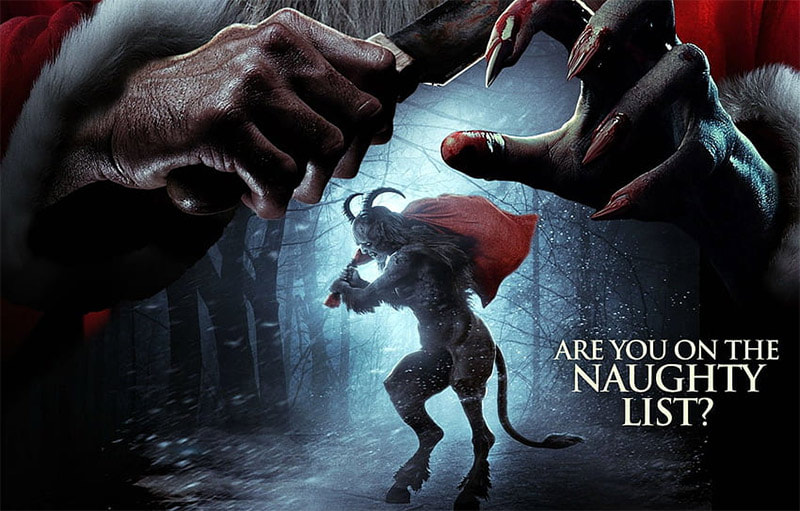
- Movies and TV Shows: The 2015 horror-comedy film Krampus introduced the legend to mainstream audiences, blending folklore with festive fright. Since then, Krampus has appeared in everything from comic books to holiday specials.
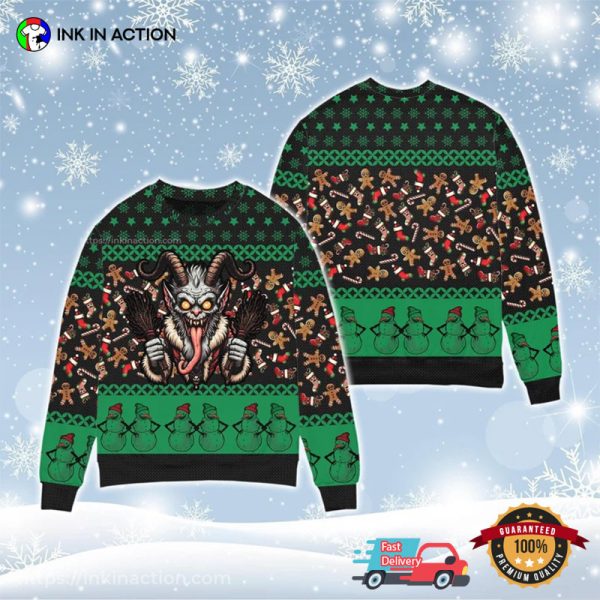
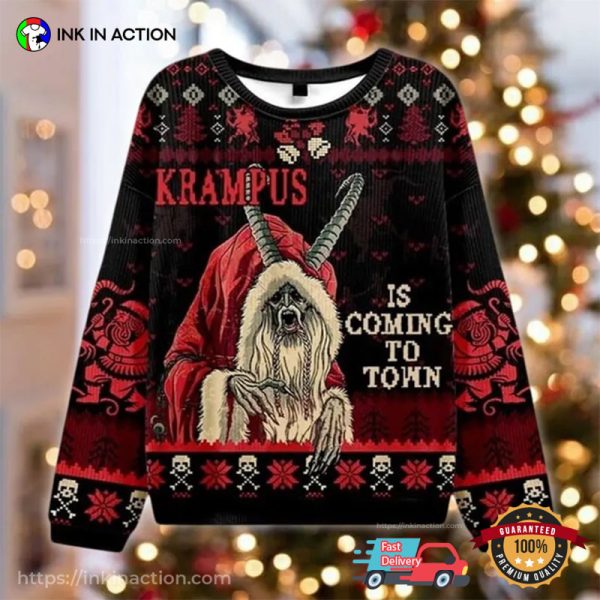
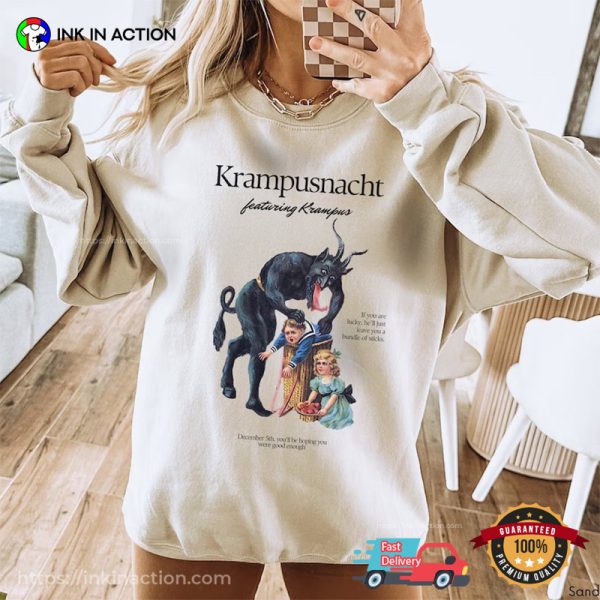
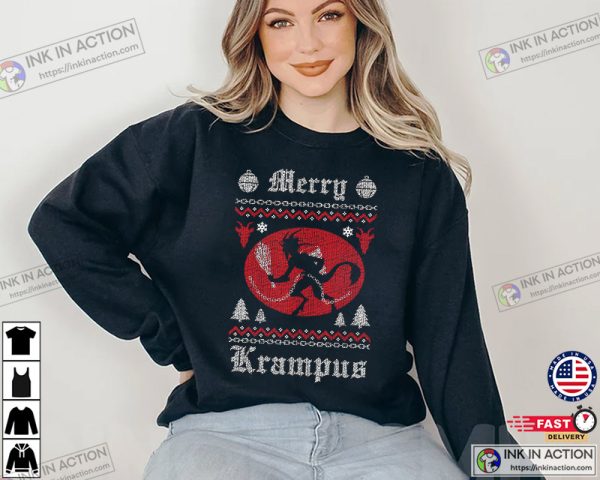
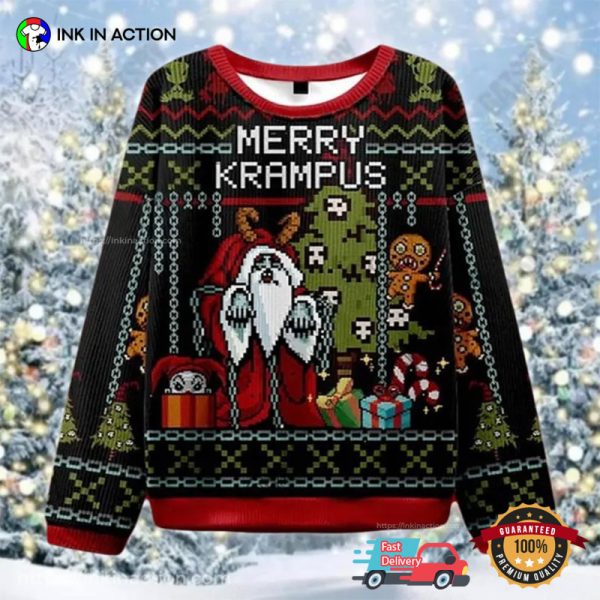
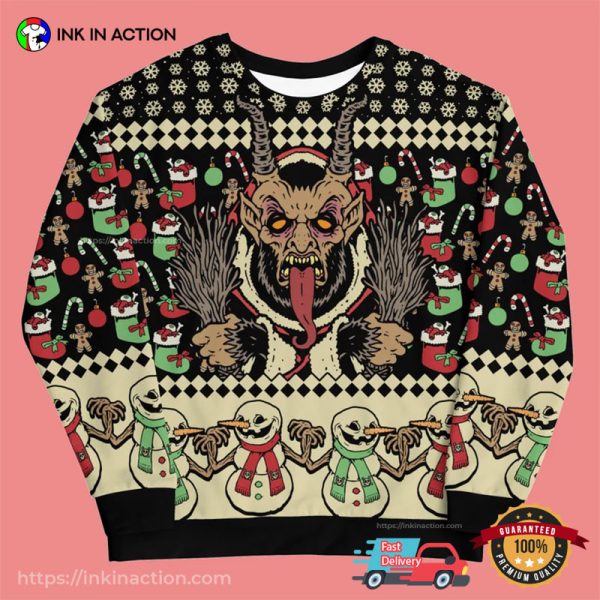
- Merchandise and Apparel: Krampus-themed T-shirts, mugs, and ugly Christmas sweaters have become popular ways to celebrate the darker side of the season with humor and style.
- Festivals and Parades: Cities like Los Angeles, New York, and Toronto host Krampus-inspired events, complete with costumed performers, music, and storytelling.
What makes Krampus Christmas appealing today is its mix of ancient myth and modern fun — offering a fresh alternative to the overly commercialized holiday season.
The Moral of the Krampus Legend
While Krampus may seem like a frightening character, his story carries valuable lessons.
- Accountability – Krampus reminds us that actions have consequences.
- Balance – Good and bad coexist; understanding both sides brings harmony.
- Tradition – Folklore keeps culture alive, connecting us to our ancestors.
- Humor and Fear – By blending the two, we embrace all emotions of the human experience.
These themes make Krampus Christmas not just a scary story, but a reflection on human nature — one that continues to resonate in modern times.
Krampus in Pop Culture and Art
Artists, musicians, and writers have long been inspired by the terrifying beauty of Krampus. Vintage postcards from the 1800s, known as Krampuskarten, often depicted Krampus chasing mischievous children with phrases like “Gruss vom Krampus” (“Greetings from Krampus”).
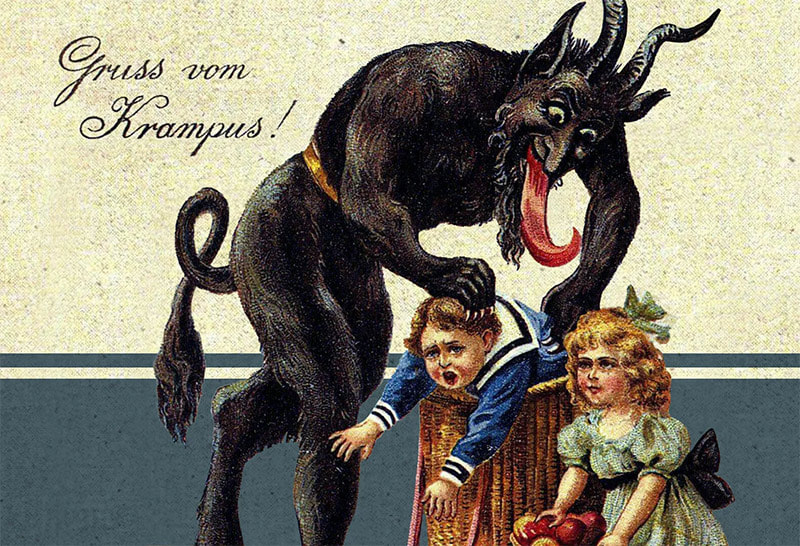
Today, these postcards are collector’s items, and their imagery influences modern art, tattoos, and even Christmas cards with a humorous twist.
In contemporary culture, Krampus stands as a symbol of rebellion — a way to celebrate the holiday season with a wink at tradition and a nod to the wild, untamed spirit of winter.
How to Celebrate Krampus Christmas Today
You don’t need to live in the Alps to enjoy the thrill of Krampus Christmas. Here are a few ways to bring the tradition to life in your own way:
- Host a Krampus-themed party with costumes, hot cocoa, and scary storytelling.
- Exchange Krampus Christmas gifts, such as themed shirts, mugs, or ornaments.
- Watch Krampus movies or documentaries with friends for a night of festive chills.
- Create DIY decorations — horned masks, rustic garlands, and red-and-black color schemes.
- Share the folklore with children in a fun, educational way that explores both Santa and Krampus.
Celebrate Krampus Christmas in style with our exclusive Krampus T-shirts and holiday sweaters, perfect for fans of festive folklore.
Conclusion: The Light and the Dark of the Holiday Spirit
Krampus Christmas reminds us that the holidays aren’t just about gifts and glitter — they’re about stories, traditions, and the full range of human emotion.
Whether you see Krampus as a cautionary figure, a symbol of balance, or just a fun excuse for spooky festivities, his legend adds richness and depth to the season.
So this year, as you hang stockings and sip cocoa by the fire, remember the horned creature who lurks in the snowy shadows — and raise a toast to Krampus Christmas, the strange, wild, and wonderful celebration that keeps the spirit of folklore alive.