







Uncategorized
Black History Month: Honoring Legacy, Celebrating Culture, and Shaping the Future
Jan
Every February, Black History Month invites the world to pause, reflect, and celebrate the contributions of Black individuals who have profoundly shaped history, culture, politics, science, sports, and the arts. While the month is rooted in the struggle for recognition, its modern observance is also a testament to cultural resilience, innovation, and collective memory.
Where Black History Month Comes From
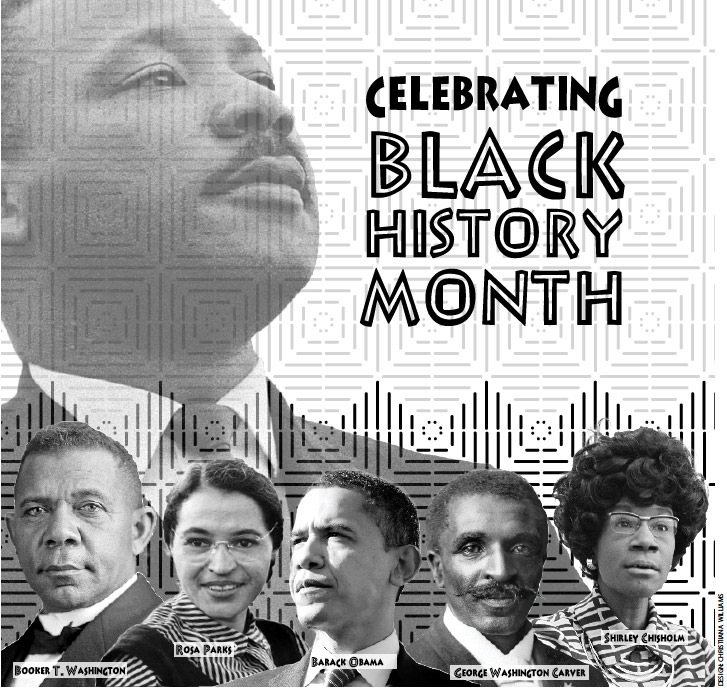
Black History Month began in 1926 as Negro History Week, founded by historian Carter G. Woodson as a way to ensure Black achievements would not be erased or overlooked. By 1976, the week expanded into a full month, and the U.S. government officially recognized the observance — a landmark moment that acknowledged the importance of representation and historical truth.
Today, Black History Month is observed not only in the United States but also in Canada, the United Kingdom, and increasingly through global digital communities.
Celebrating Transformational Contributions
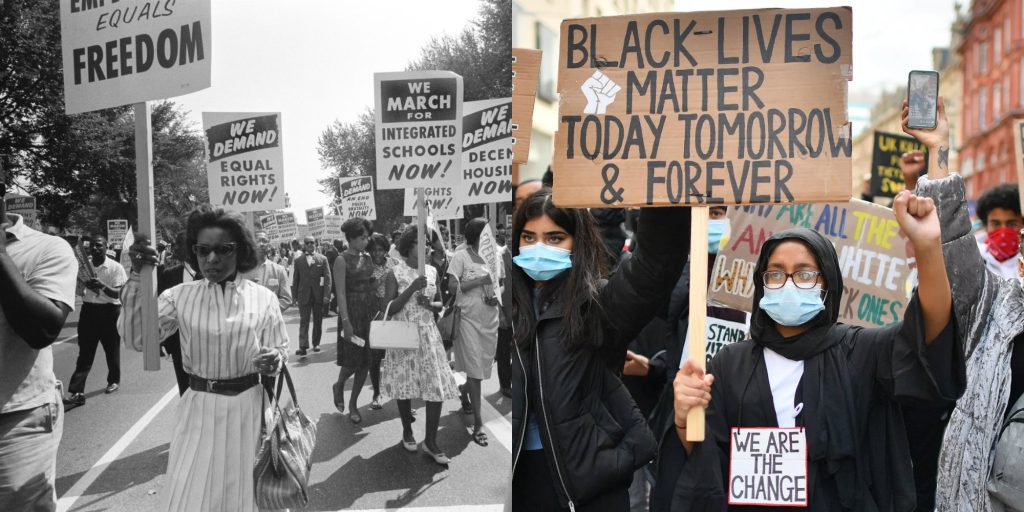
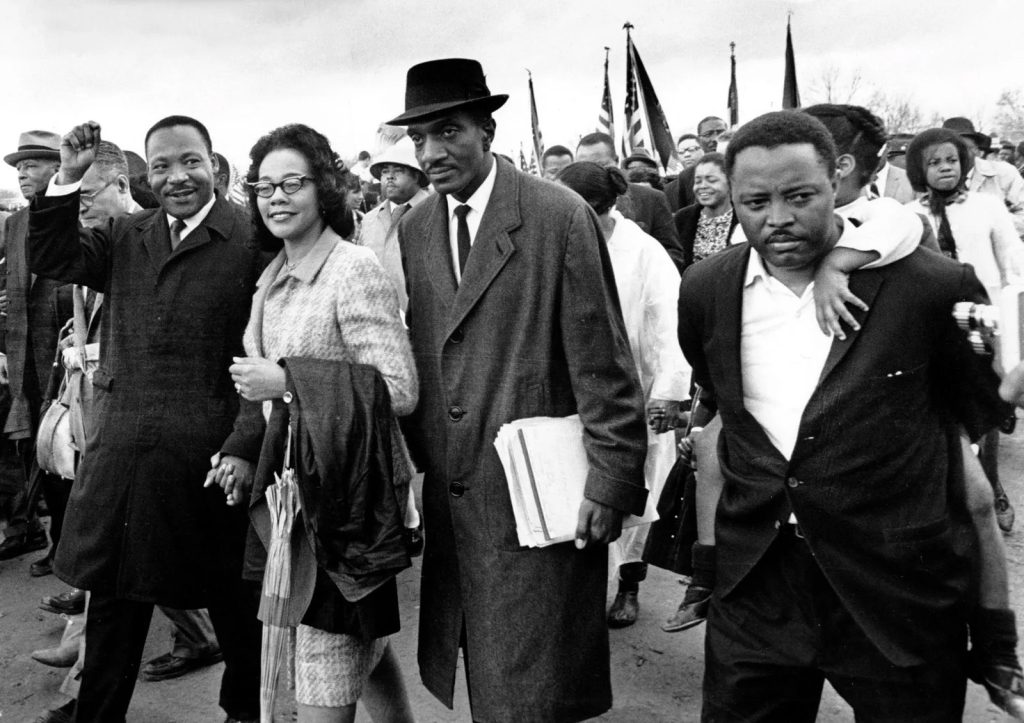
From civil rights icons to creative innovators, the contributions of Black figures reach every corner of society. Rosa Parks and Dr. Martin Luther King Jr. redefined civil rights. Toni Morrison, James Baldwin, and Maya Angelou reshaped literature. Serena Williams, Simone Biles, and Michael Jordan transformed global sports culture. Musically, the world continues to echo with the legacy of jazz, blues, gospel, hip-hop, and R&B — genres that would go on to define modern music worldwide.
Black history is not a niche segment of history; it is history.
Why Black History Month Still Matters
Black History Month isn’t only about honoring the past — it’s about understanding the present. It encourages conversations about:
- systemic inequality and civil rights
- representation in media, classrooms, and government
- access to education, housing, and economic mobility
- cultural identity and pride
At a time when misinformation spreads easily and historical events are often distorted, the month serves as a corrective lens that centers truth and lived experience.
A Cultural Celebration as Much as a Historical One
In recent years, Black History Month has expanded into a celebration of culture — from food traditions and family heritage to film, fashion, and music. Brands and institutions spotlight Black creators, educators curate new learning resources, and festivals highlight Black art, cinema, poetry slams, design, and tech innovation.
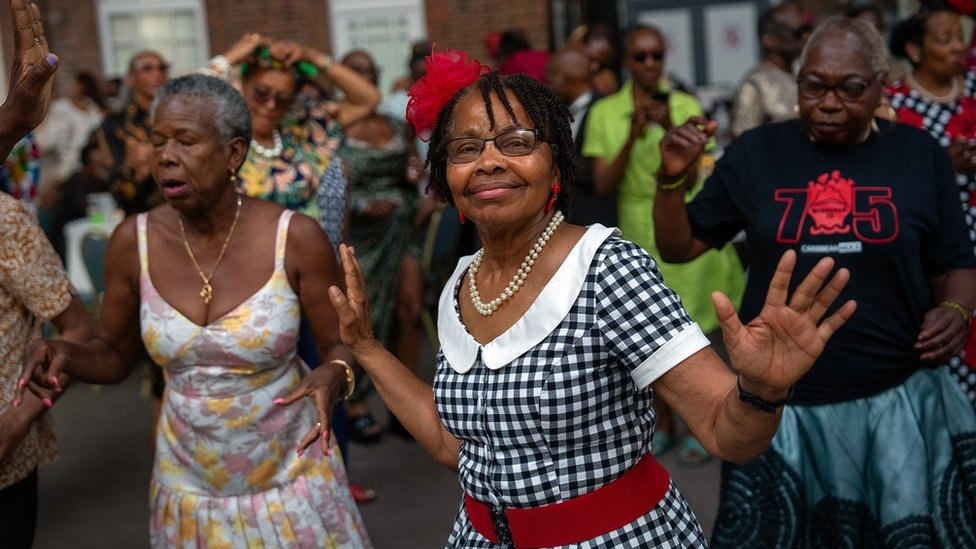
Social media has further globalized the observance. Hashtags, digital exhibits, and creator-led campaigns have turned February into a major cultural moment of storytelling, amplification, and visibility.
Wear the Story: Black History Month Merch That Educates & Inspires
Beyond the history lessons and cultural celebrations, Black History Month has also become a time to amplify messages of empowerment through what we wear and what we share. Apparel has long been a medium of protest, pride, and self-expression — from civil rights march buttons to today’s graphic tees, hoodies, and posters that spotlight influential figures, movements, and quotes.
That’s where our Black History Month collection comes in. Designed with both cultural respect and storytelling in mind, our pieces highlight iconic leaders, artists, athletes, and change-makers whose legacy continues to shape today’s world. They also help spark conversations — in classrooms, workplaces, and everyday spaces — making representation visible and accessible.
Because celebrating history shouldn’t be passive — it should be visible, wearable, and proudly shared.


Looking Toward the Future
Black History Month is not simply about remembering; it is about imagining. The next generation of activists, inventors, entrepreneurs, and artists will continue to redefine what history looks like. Celebrating Black history is ultimately an investment in a more inclusive future — one where recognition, dignity, and opportunity are not conditional, but guaranteed.
A Final Thought
Black History Month is more than a date on the calendar. It is a reminder that culture is shaped by those whose stories were once marginalized or erased — and that acknowledging those stories makes all of us better historians, better citizens, and better human beings.