







Trending
Friday the 13th: The Enduring Legacy of a Horror Icon
Jan
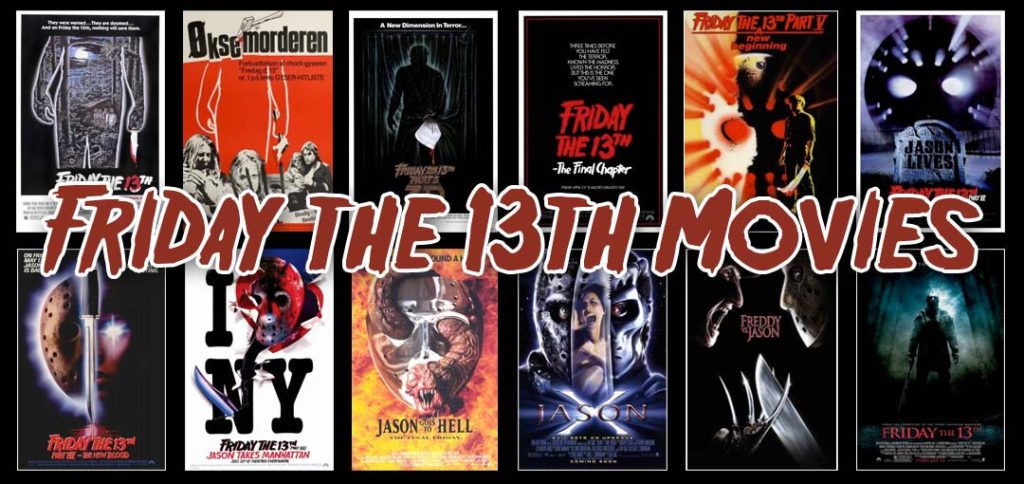
Few horror franchises have left a mark on popular culture quite like Friday the 13th. More than four decades after its debut, the series continues to terrify, fascinate, and inspire generations of fans. What began as a modest slasher film in 1980 evolved into one of the most recognizable horror sagas of all time, anchored by a silent, masked killer whose presence still sends chills down spines. From Camp Crystal Lake to global pop culture, Friday the 13th remains a cornerstone of the horror genre.
1. The Birth of a Slasher Legend
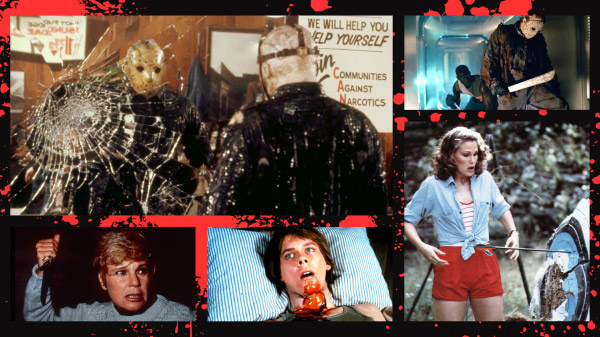
Released in 1980, the original Friday the 13th arrived during the golden age of slasher films. Riding the success of John Carpenter’s Halloween, the film embraced a simple but effective formula: an isolated setting, a group of unsuspecting young people, and a mysterious killer lurking in the shadows. Camp Crystal Lake, a seemingly peaceful summer camp, quickly became one of the most infamous locations in horror history.
What truly shocked audiences was the film’s ending. The reveal that the killer was Pamela Voorhees, avenging the drowning death of her son Jason, subverted expectations and added emotional depth to the violence. This twist laid the foundation for a mythology that would grow darker and more complex with each sequel.
2. Jason Voorhees: From Tragedy to Terror
Jason Voorhees is the heart of the franchise. Introduced initially as a tragic backstory, Jason soon became the embodiment of unstoppable horror. Early sequels transformed him from a vengeful presence into the franchise’s primary antagonist, evolving with each film.
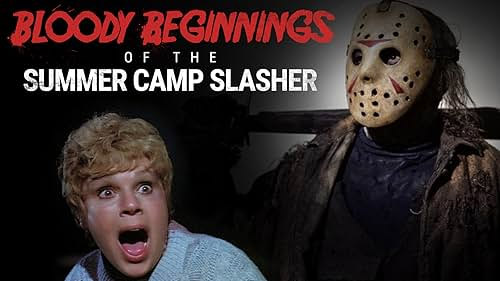
The moment Jason donned his iconic hockey mask in Friday the 13th Part III was a turning point. The mask, combined with his towering frame and silent demeanor, elevated him from a slasher villain to a cultural icon. Jason does not speak, negotiate, or retreat—he simply advances. That relentless nature is what makes him terrifying and timeless.
3. Evolution Across Decades
The Friday the 13th series is notable for its willingness to experiment. Early entries leaned heavily into classic slasher tropes, focusing on suspense and brutal kills. Later films pushed boundaries, introducing humor, supernatural elements, and even science fiction.
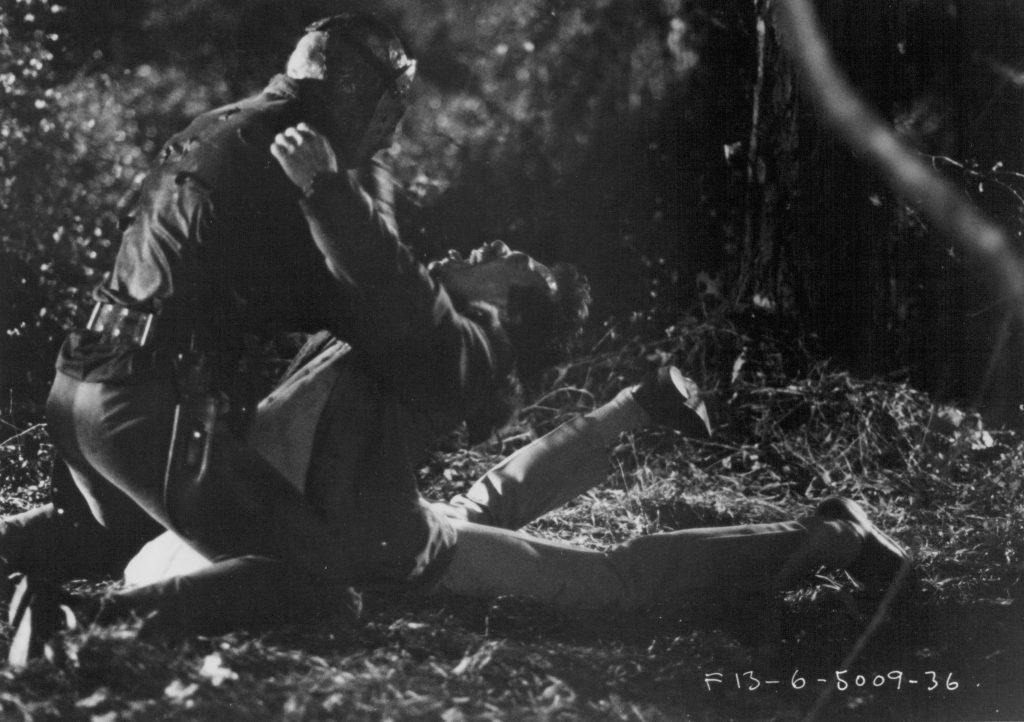
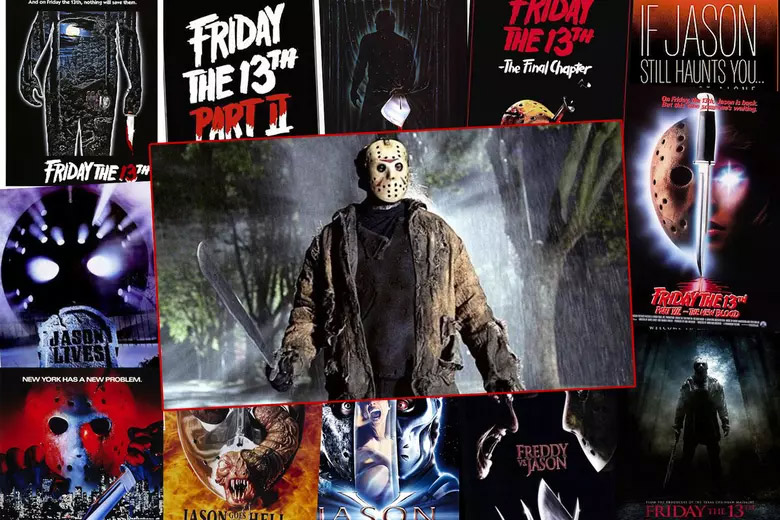
Films like Jason Lives: Friday the 13th Part VI embraced self-awareness, while Jason Takes Manhattan and Jason X took the character far beyond Camp Crystal Lake. The crossover Freddy vs. Jason united two horror titans, proving Jason’s enduring appeal. The 2009 reboot brought the franchise to a new generation, blending nostalgia with modern horror sensibilities.
4. Themes Beneath the Bloodshed
Despite its reputation for gore, the franchise explores recurring themes that resonate with audiences. Guilt, punishment, and survival are central ideas, particularly the notion that past mistakes can resurface with deadly consequences. The films also reflect cultural anxieties of their time—from fears of youth rebellion to distrust of isolated spaces.
The concept of the “final girl,” a survivor who confronts the killer, became a defining trope in the series and influenced countless horror films that followed.
5. Cultural Impact and Fan Devotion
Jason Voorhees transcends cinema. He appears in video games, comics, merchandise, and Halloween costumes worldwide. His image is instantly recognizable, even to those who have never seen the films. The franchise has inspired musicians, fashion designers, and artists, proving that horror can be both terrifying and stylish.
Every real-world Friday the 13th, fans celebrate with movie marathons, themed parties, and social media tributes. The franchise has become a ritual—a shared language among horror enthusiasts.
6. Fashion, Collectibles, and Horror Expression
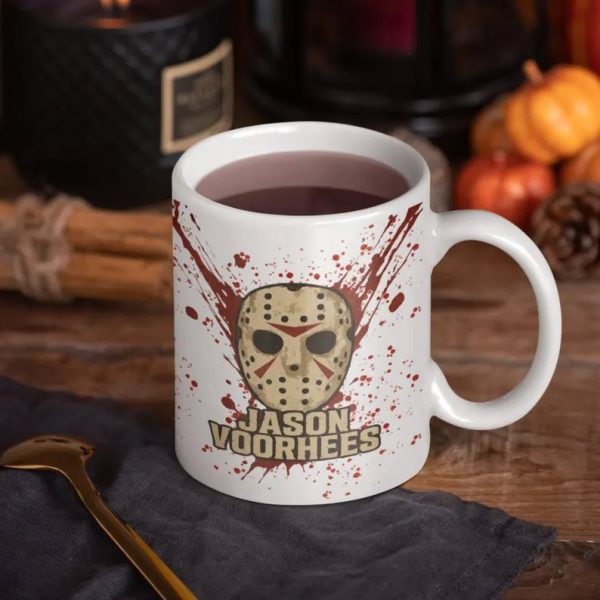
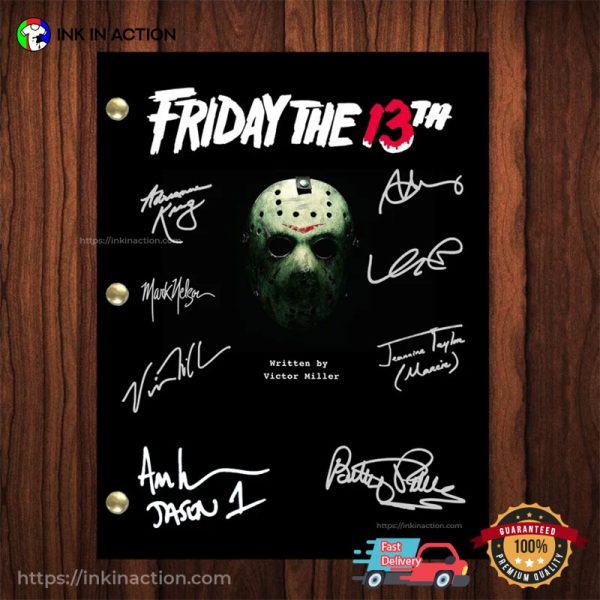
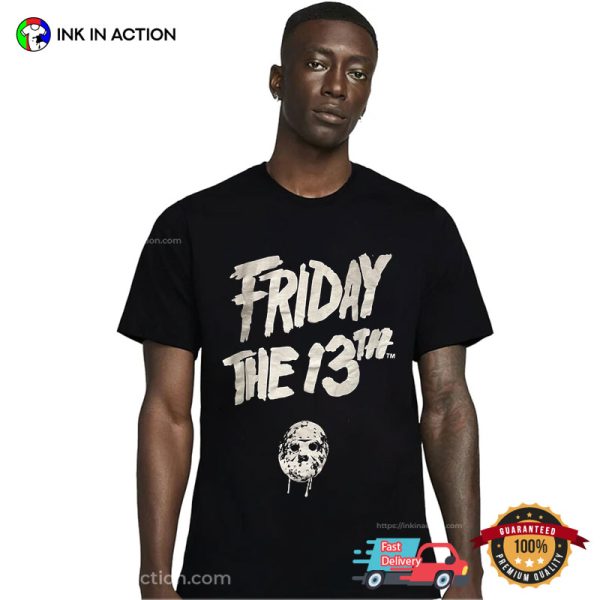
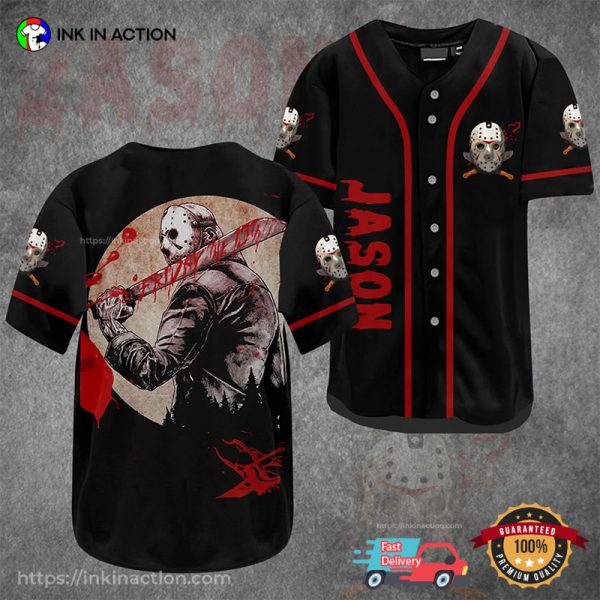
Horror fandom is deeply tied to self-expression, and Friday the 13th merchandise plays a major role. From graphic T-shirts and hoodies to posters and vinyl collectibles, Jason’s image is a staple in horror fashion. Minimalist designs appeal to subtle fans, while bold graphics cater to those who want to wear their love for horror loudly.
These items are more than merchandise—they’re badges of identity, signaling membership in a community that celebrates fear as entertainment and art.
7. Legal Battles and the Uncertain Future
Despite its popularity, the franchise has faced legal challenges that stalled new film projects for years. Ongoing copyright disputes frustrated fans eager for fresh installments. However, the enduring interest in Jason Voorhees suggests that the story is far from over. Rumors of reboots, television adaptations, and expanded universes continue to circulate, keeping hope alive.
8. Why Friday the 13th Endures
The lasting power of Friday the 13th lies in its simplicity. Fear does not need elaborate explanations—sometimes, it just needs a mask, a shadow, and the sound of footsteps behind you. Jason Voorhees represents an elemental form of horror: inevitable, silent, and relentless.
In a constantly changing entertainment landscape, the franchise offers something familiar yet thrilling. It reminds us that fear can be fun, communal, and even comforting in its predictability.
9. Conclusion: Camp Crystal Lake Never Sleeps
More than forty years after its debut, Friday the 13th remains a defining force in horror culture. Jason Voorhees is not just a villain—he is a symbol of the genre itself. As long as people enjoy being scared, Camp Crystal Lake will never truly rest.
Because in horror, some legends don’t die—they wait.